Tracing paper is a versatile tool that can elevate your sewing projects. It allows you to transfer patterns and designs with precision, ensuring your creations turn out just as you envisioned. Understanding its use can enhance your sewing experience.
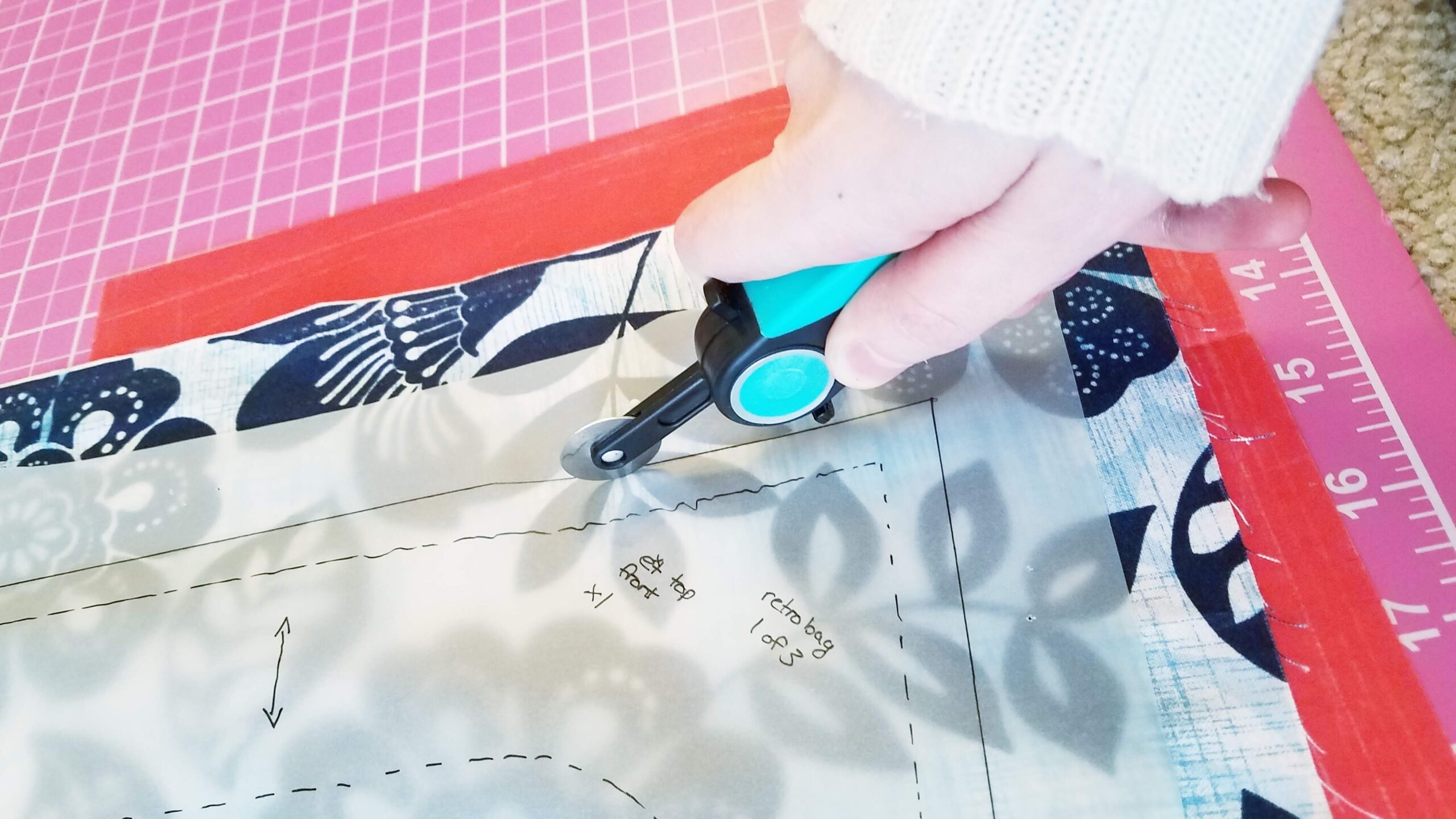
How To Use Tracing Paper Sewing
How To Use Tracing Paper Sewing
To begin, choose the right type of tracing paper for your project. There are various options available, including lightweight and heavyweight papers. Select one that suits your fabric and design needs for optimal results.
Next, lay your pattern flat on a clean surface. Place the tracing paper over it, ensuring it’s smooth and wrinkle-free. Use a pencil or tracing wheel to carefully outline the pattern, capturing all necessary details for cutting.
Once you’ve traced your design, carefully cut out the pieces from the tracing paper. This allows you to create a reusable template for future projects. Store these templates in a safe place for easy access later on.
Finally, when you’re ready to sew, pin or baste the traced pieces onto your fabric. This method ensures accuracy and helps prevent mistakes during cutting and stitching. Enjoy the process and watch your ideas come to life!
Using tracing paper in sewing can significantly improve your crafting skills. With practice, you’ll find it an indispensable part of your toolkit, making every project smoother and more enjoyable.

How To Trace A Dressmaking Pattern
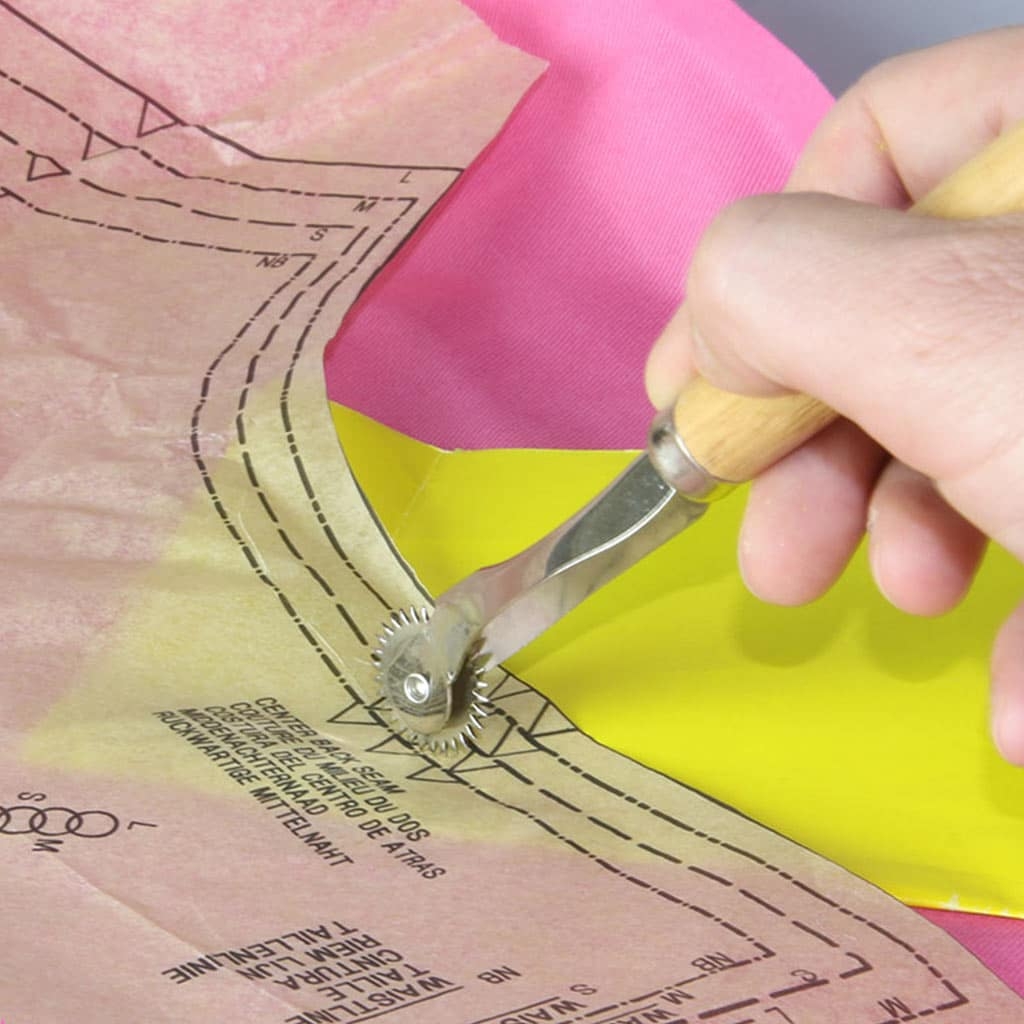
How To Use Tracing Wheels For Sewing Easy Way TREASURIE
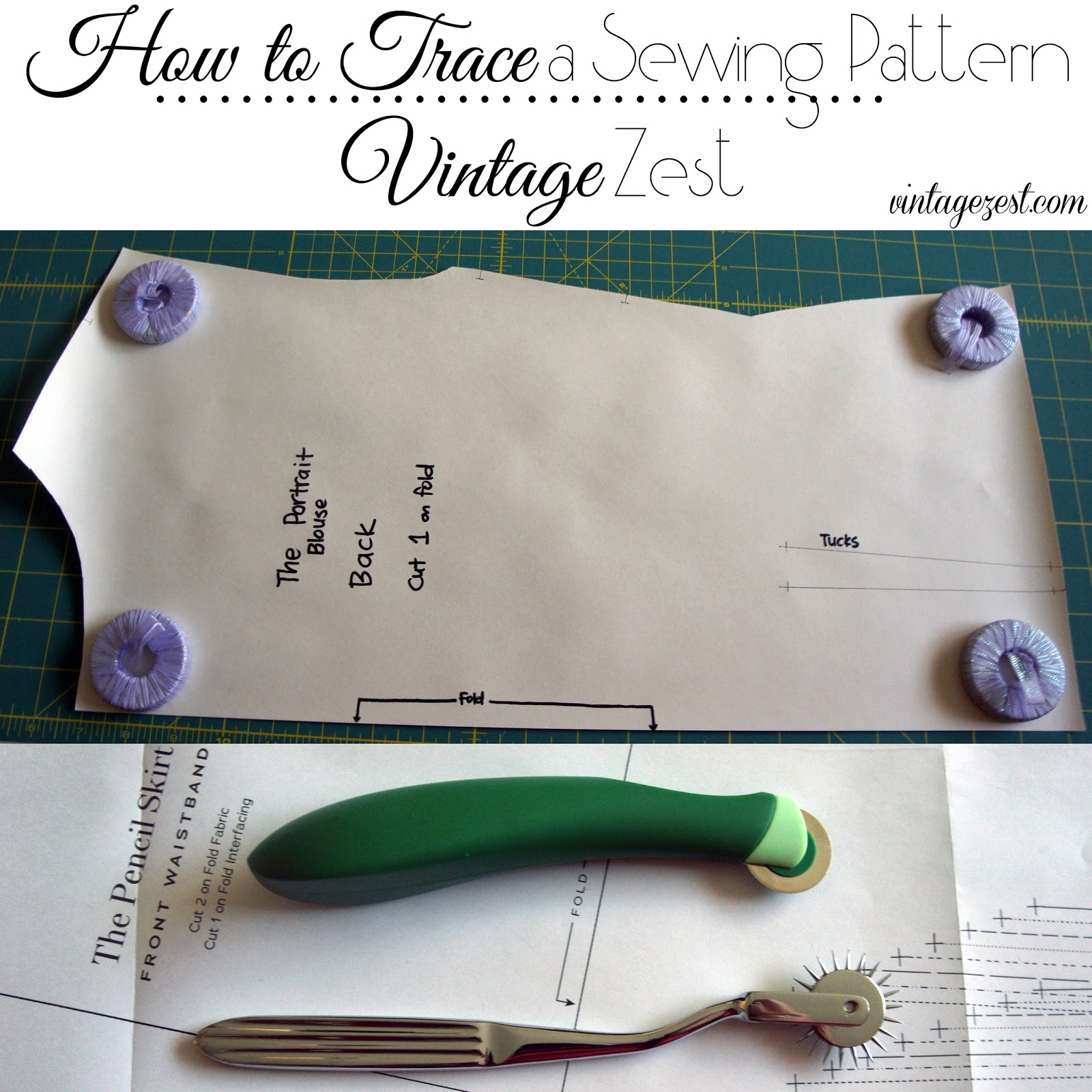
Diane s Vintage Zest Tutorial How To Trace A Sewing Pattern
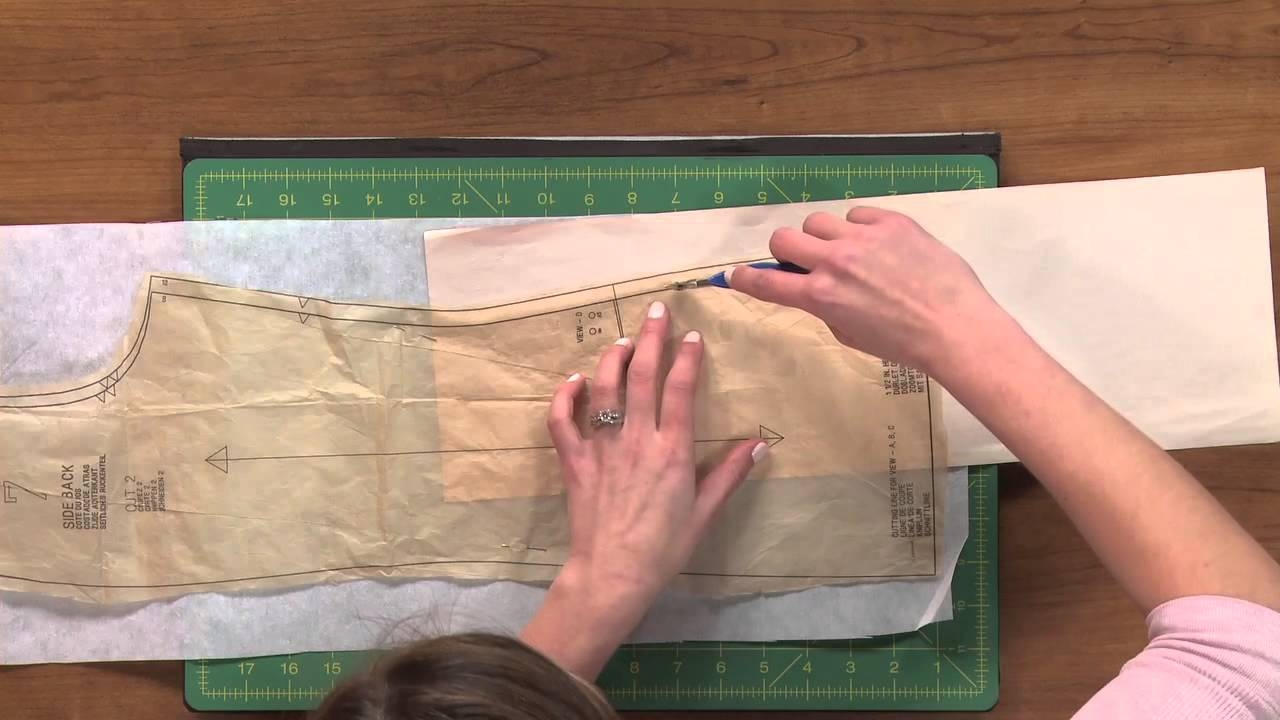
How To Use A Tracing Wheel With Tracing Paper National Sewing
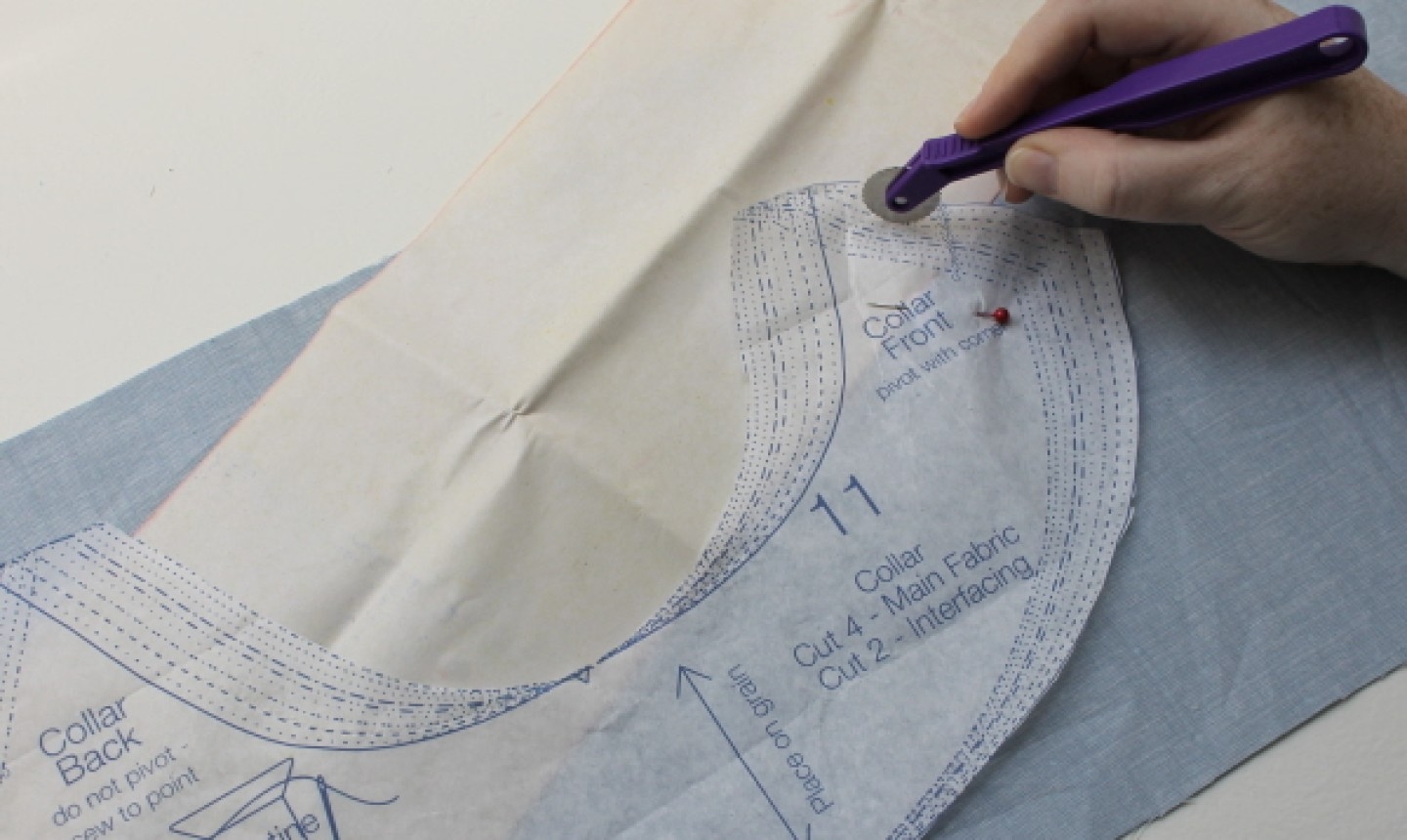
How To Transfer Patterns To Fabric With A Tracing Wheel Craftsy