Many people may not realize the importance of accessible tools for those with visual impairments. One such tool is Braille graph paper, which serves as a vital resource for creating tactile diagrams and graphs.
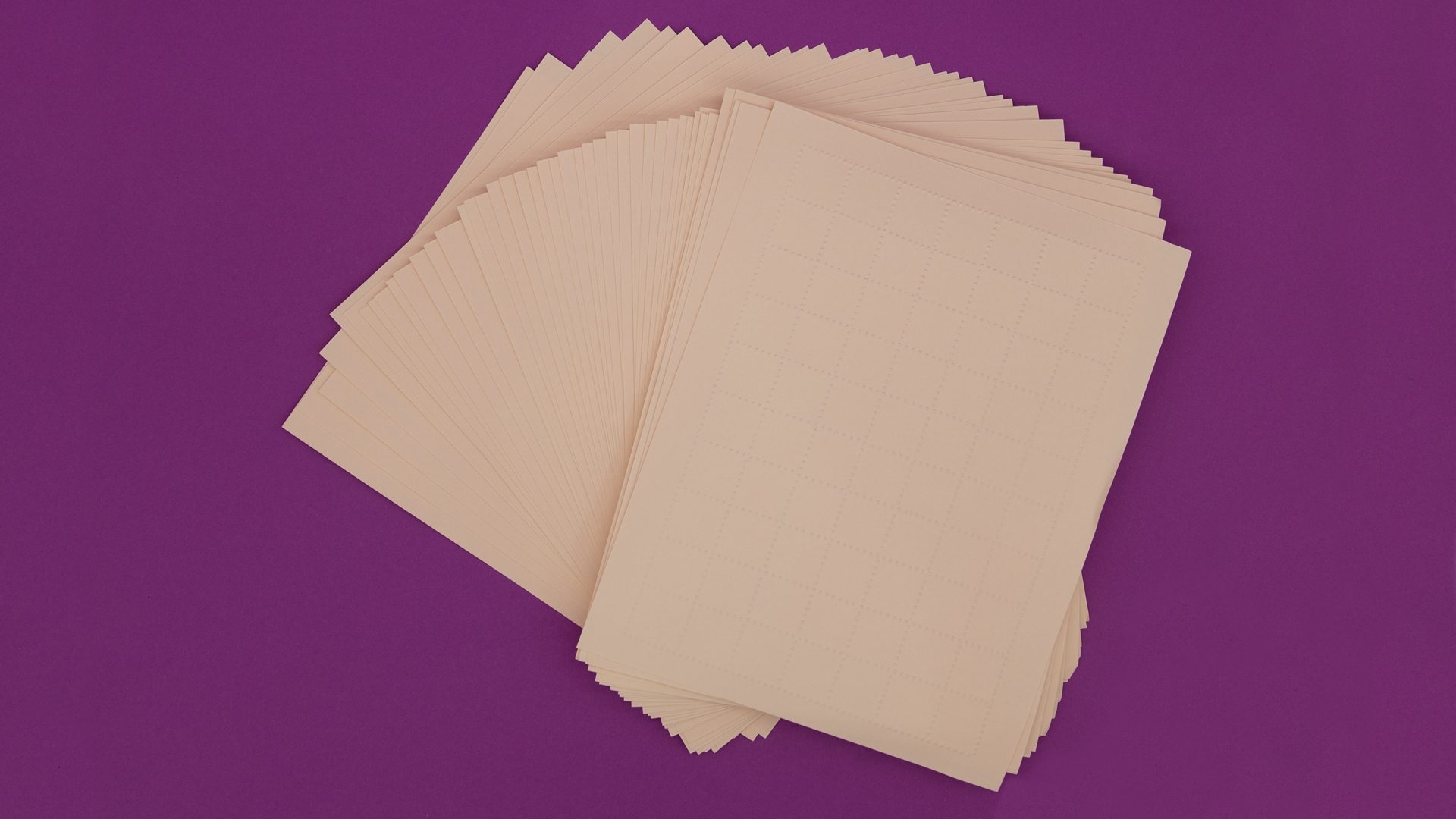
Braille Graph Paper
Braille Graph Paper
Braille graph paper features raised dots arranged in a grid pattern. This design enables users to plot points, create shapes, and develop graphs while feeling the layout with their fingers. It’s an essential tool for education and art.
Teachers often incorporate Braille graph paper into lessons, helping students understand mathematical concepts visually and tactilely. This approach fosters inclusivity and ensures that everyone can participate in learning activities effectively.
Additionally, artists can use Braille graph paper to sketch designs or create intricate patterns. The tactile feedback allows for a unique artistic expression that combines both sight and touch, making it a versatile medium.
In summary, Braille graph paper is more than just a writing surface; it’s a bridge to creativity and understanding for those with visual impairments. Embracing such tools can significantly enhance learning and artistic endeavors.
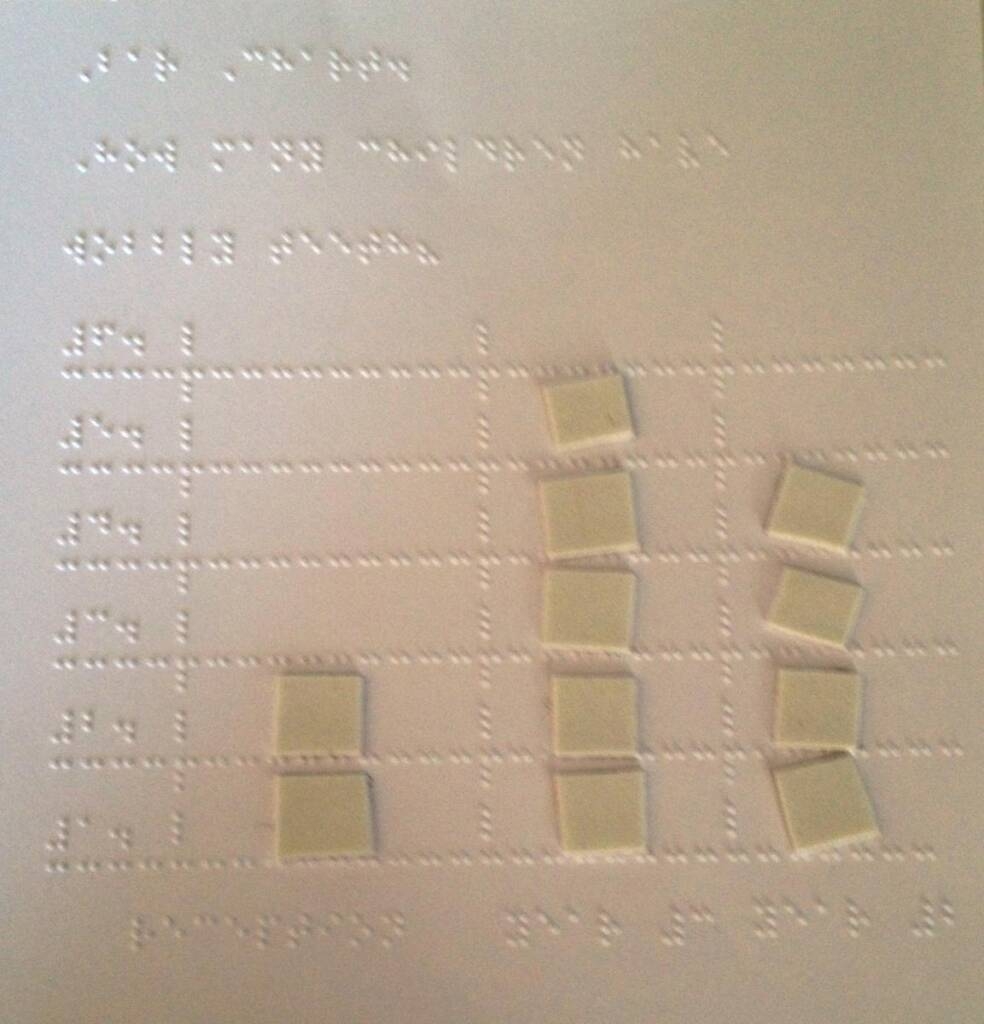
Creating Large Print And Tactile Graphs Paths To Literacy
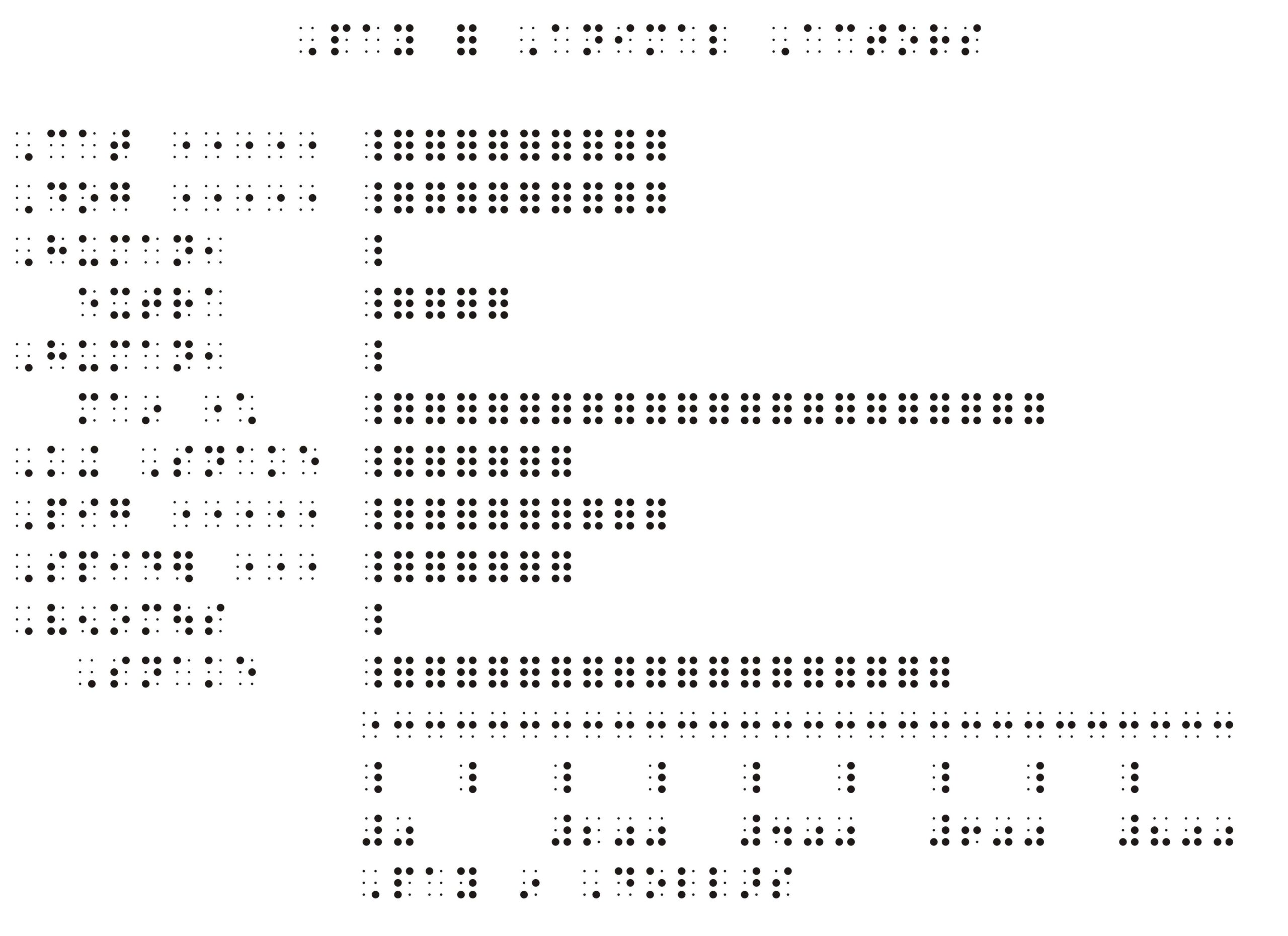
Guidelines And Standards For Tactile Graphics
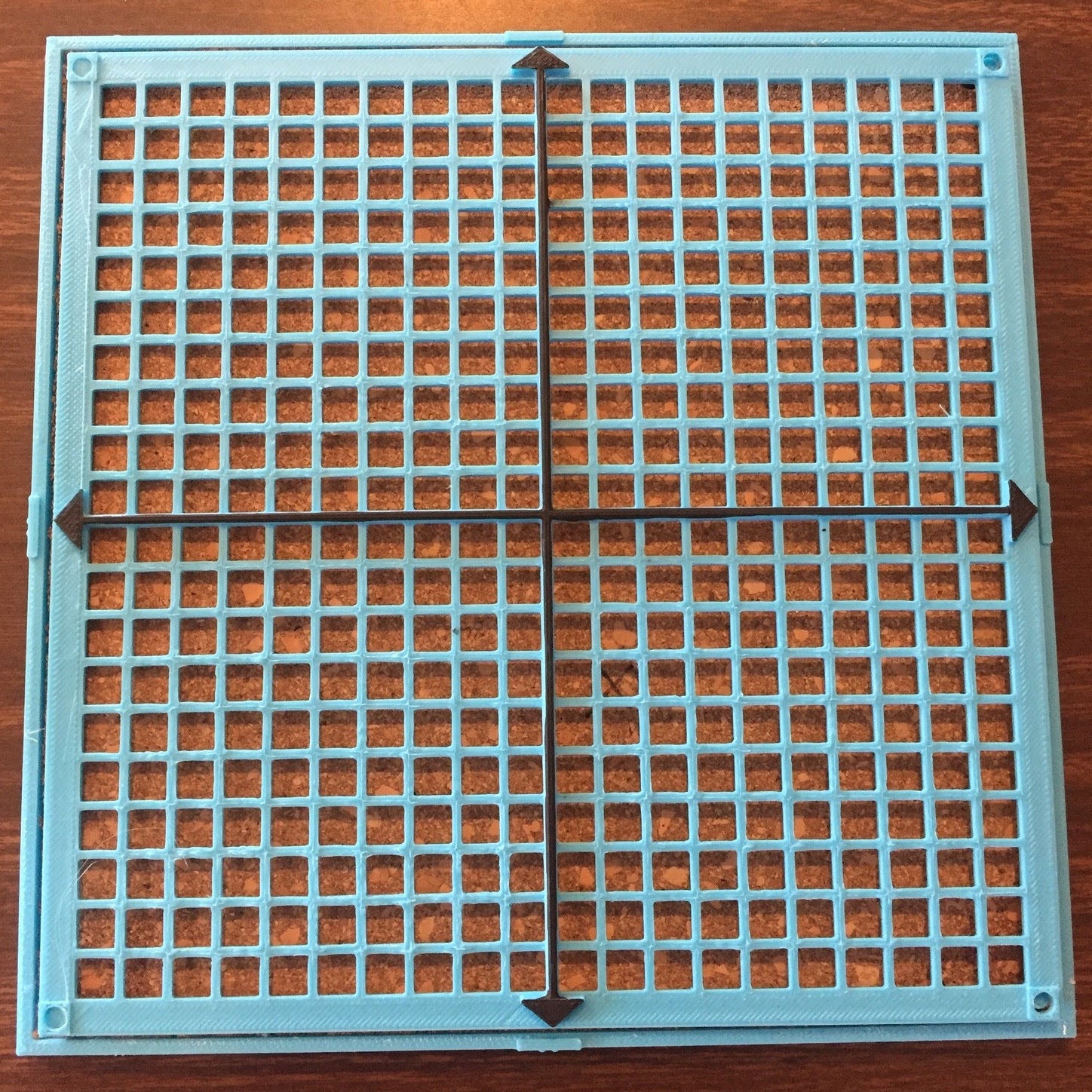
Braille Quadrant Graph Math Board Patient Innovation
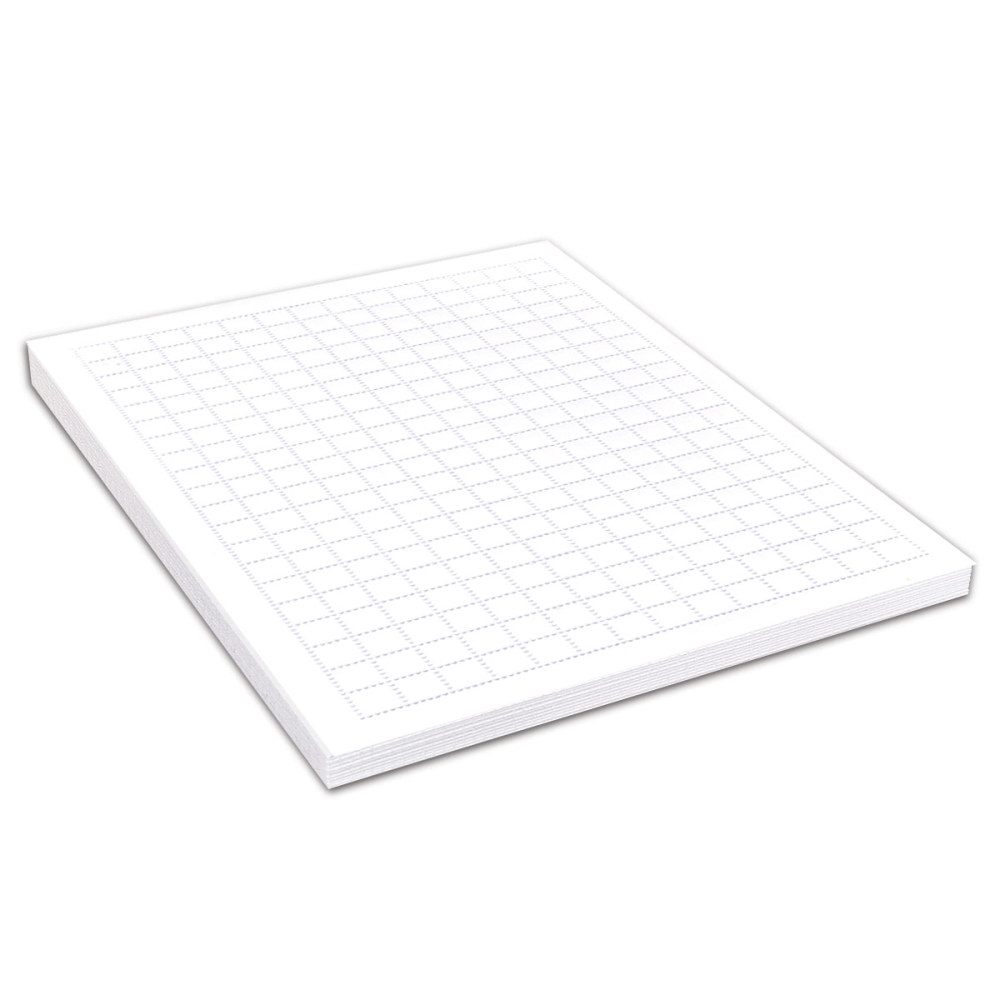
Raised Line Graphic Paper 25 Sheets
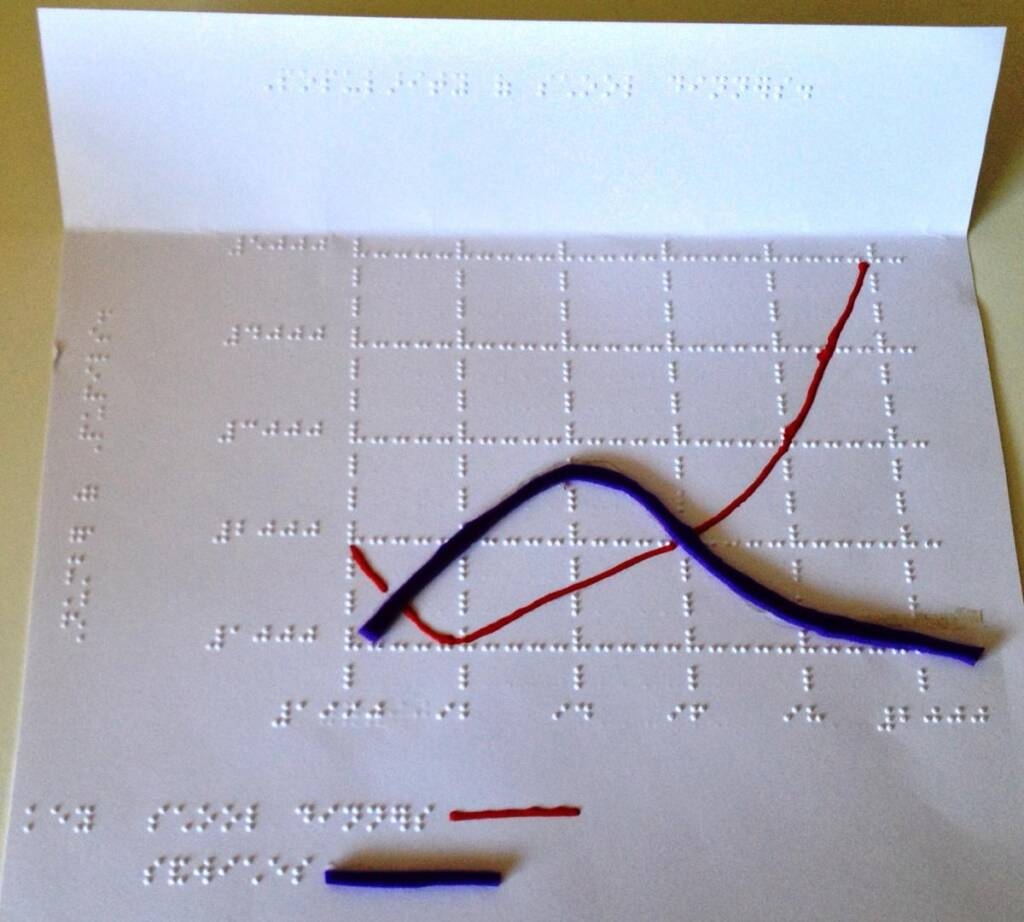
Creating Large Print And Tactile Graphs Paths To Literacy