Linen paper has a unique texture and appearance that sets it apart from regular paper. Its distinct feel makes it a popular choice for various printing projects, especially those requiring a touch of elegance.
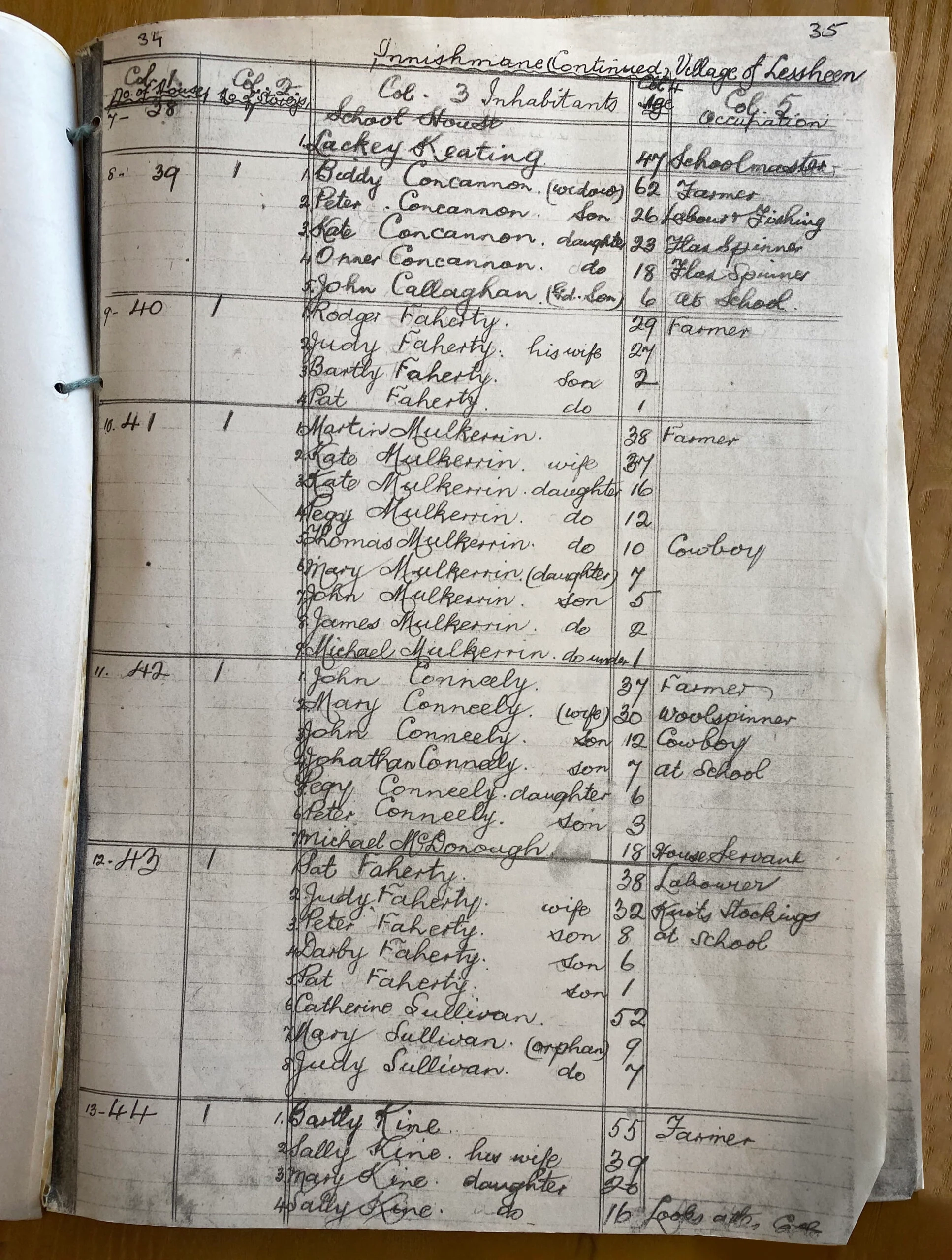
Linen Paper History
Linen Paper History
The origins of linen paper date back to ancient times when it was crafted from flax fibers. This natural material provided durability and a luxurious finish, making it ideal for important documents and correspondence.
During the Renaissance, linen paper gained popularity among artists and writers. Its ability to hold ink well allowed for vibrant illustrations and elegant calligraphy, enhancing the overall aesthetic of their work.
In the 19th century, advancements in papermaking technology made linen paper more accessible. It became a staple for businesses and personal use, symbolizing quality and sophistication in communication.
Today, linen paper continues to be cherished for its timeless appeal. Whether used for wedding invitations or business stationery, its rich history adds a special touch to any printed piece.
Exploring the history of linen paper reveals its significance in art and communication. Its unique qualities ensure that it remains a beloved choice for those seeking elegance in their printed materials.
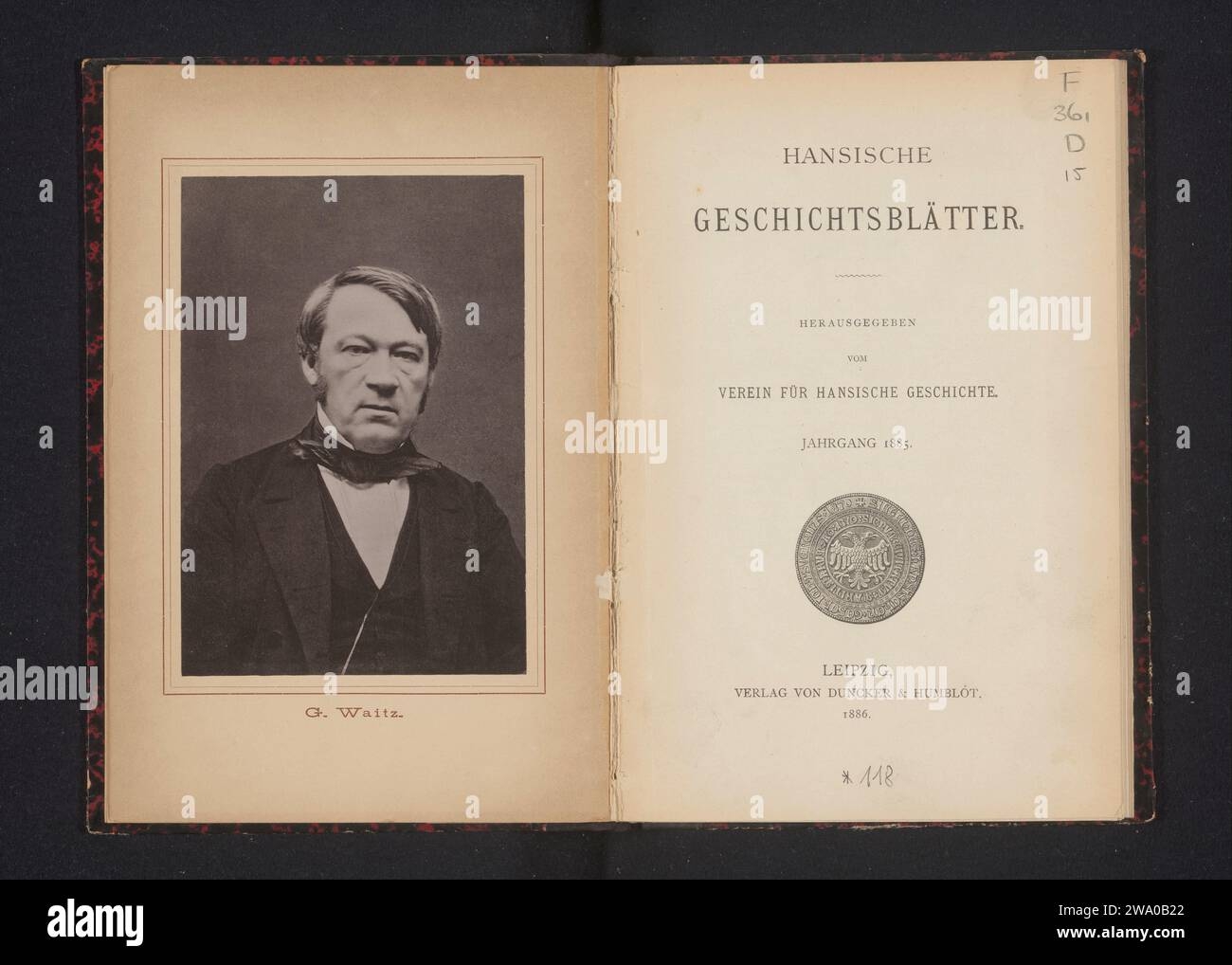
Hanseatic History Sheets Duncker amp Humblot 1886 Book Leipzig
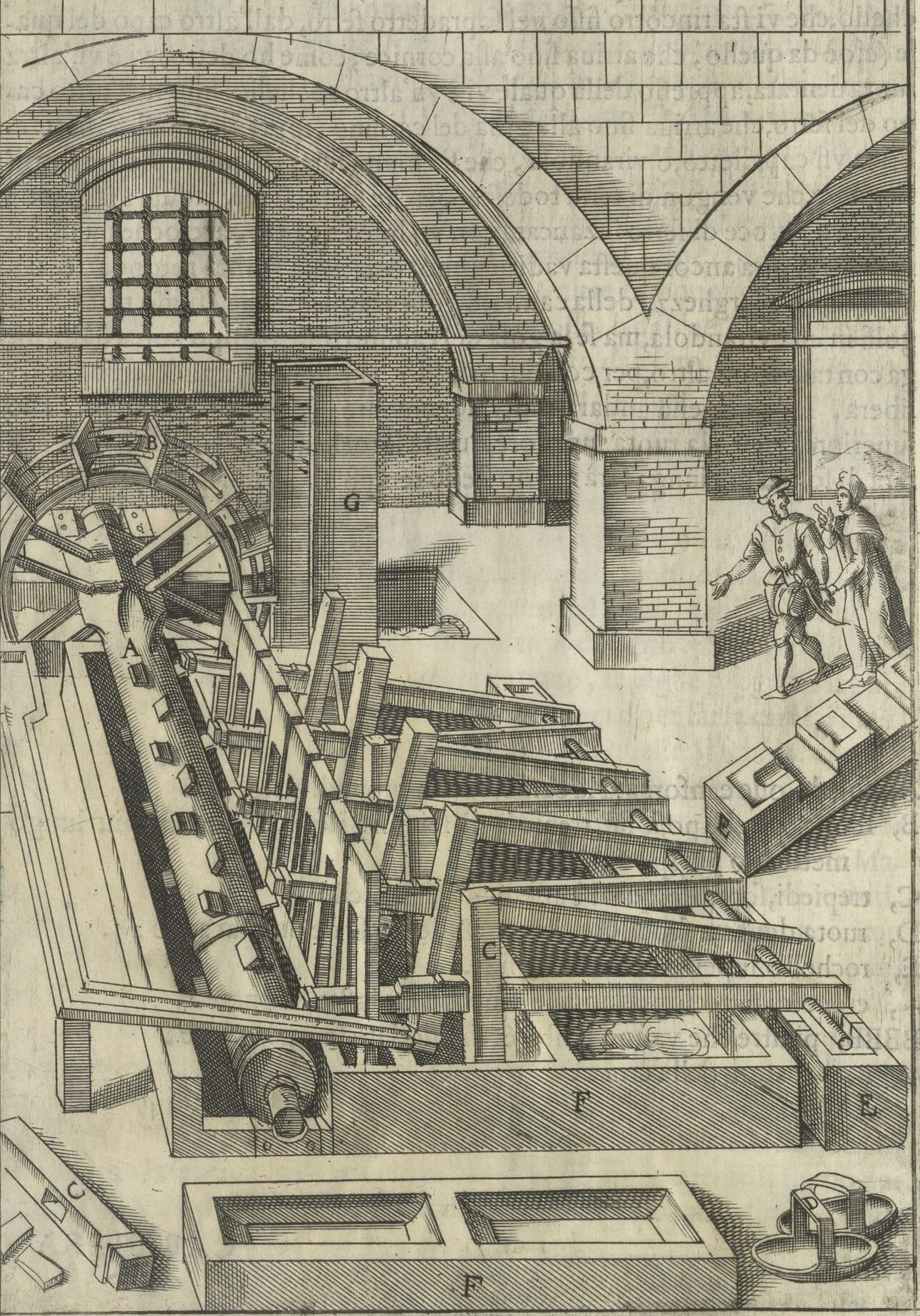
Papermaking A Rags To Riches Story Bibliomania
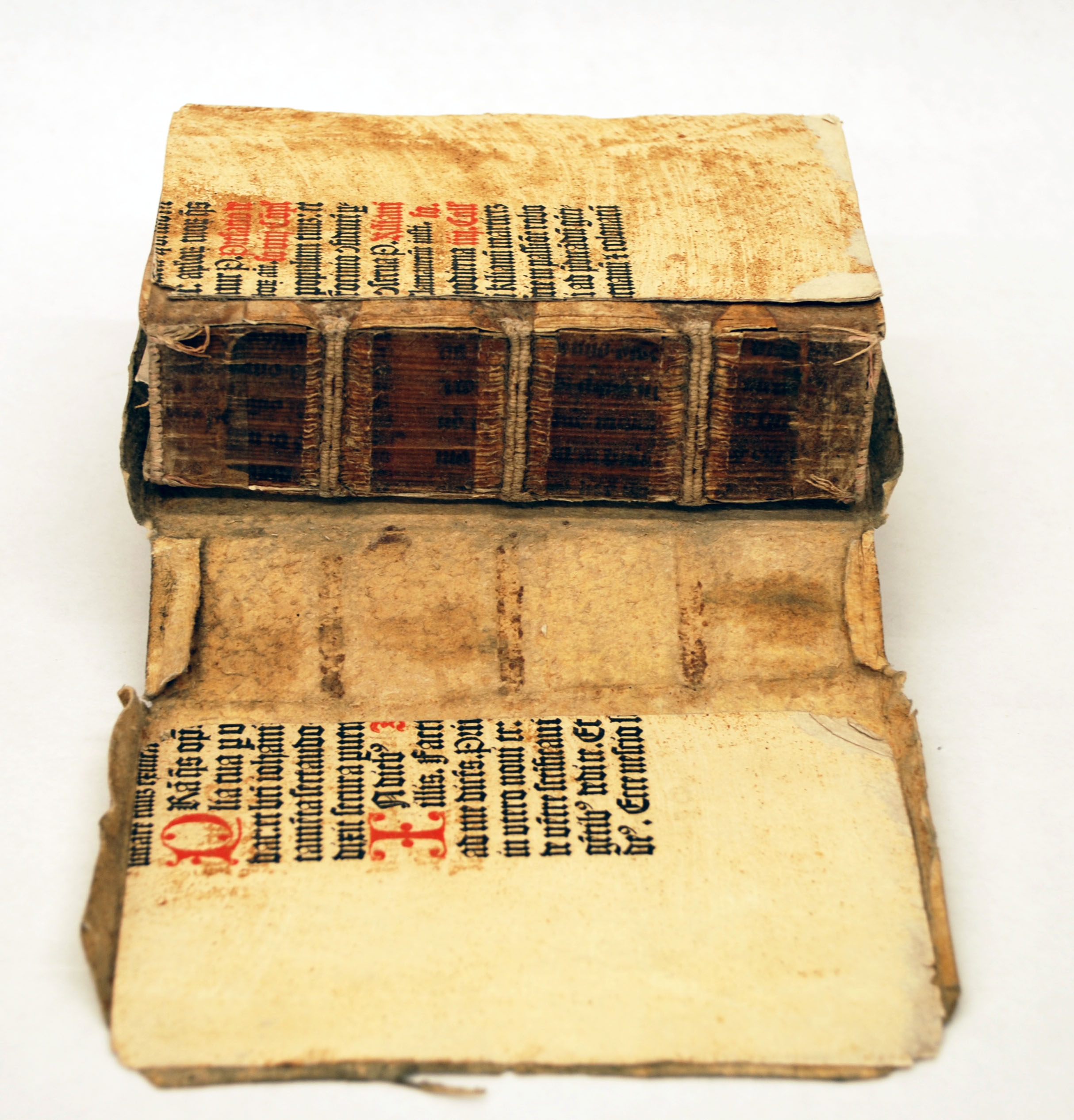
Kenneth Spencer Research Library Blog Linen Cords
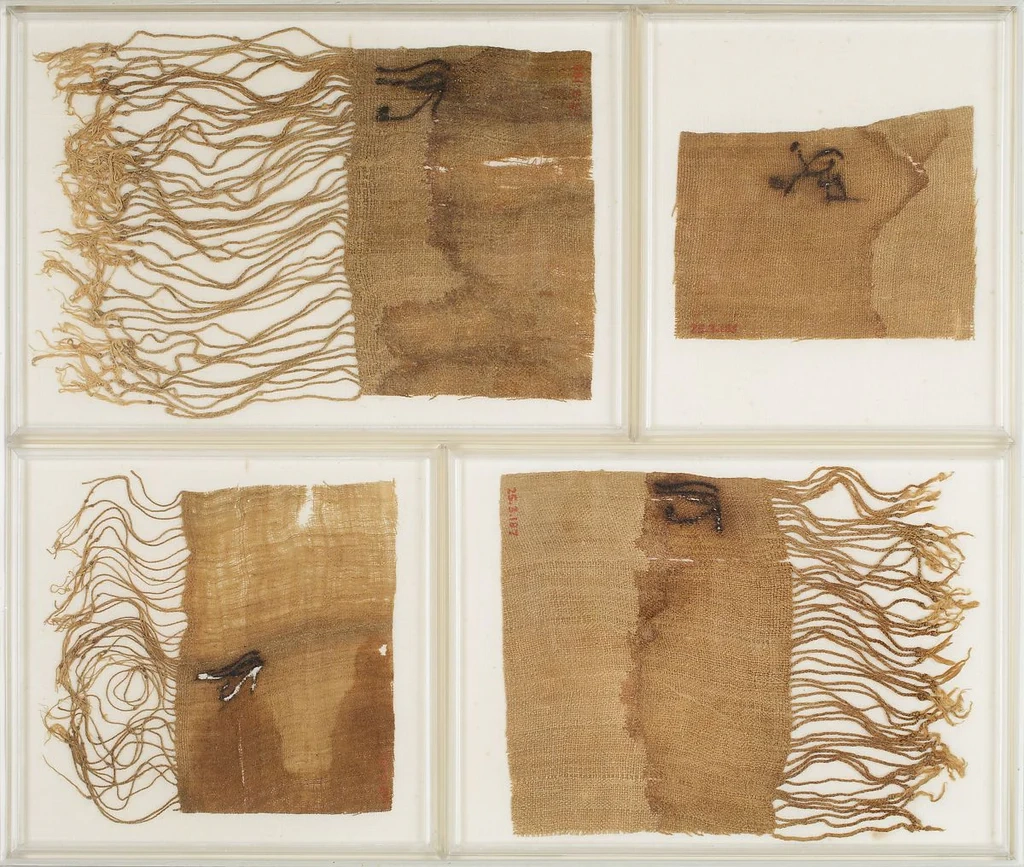
The History Of Linen The Modern Dane
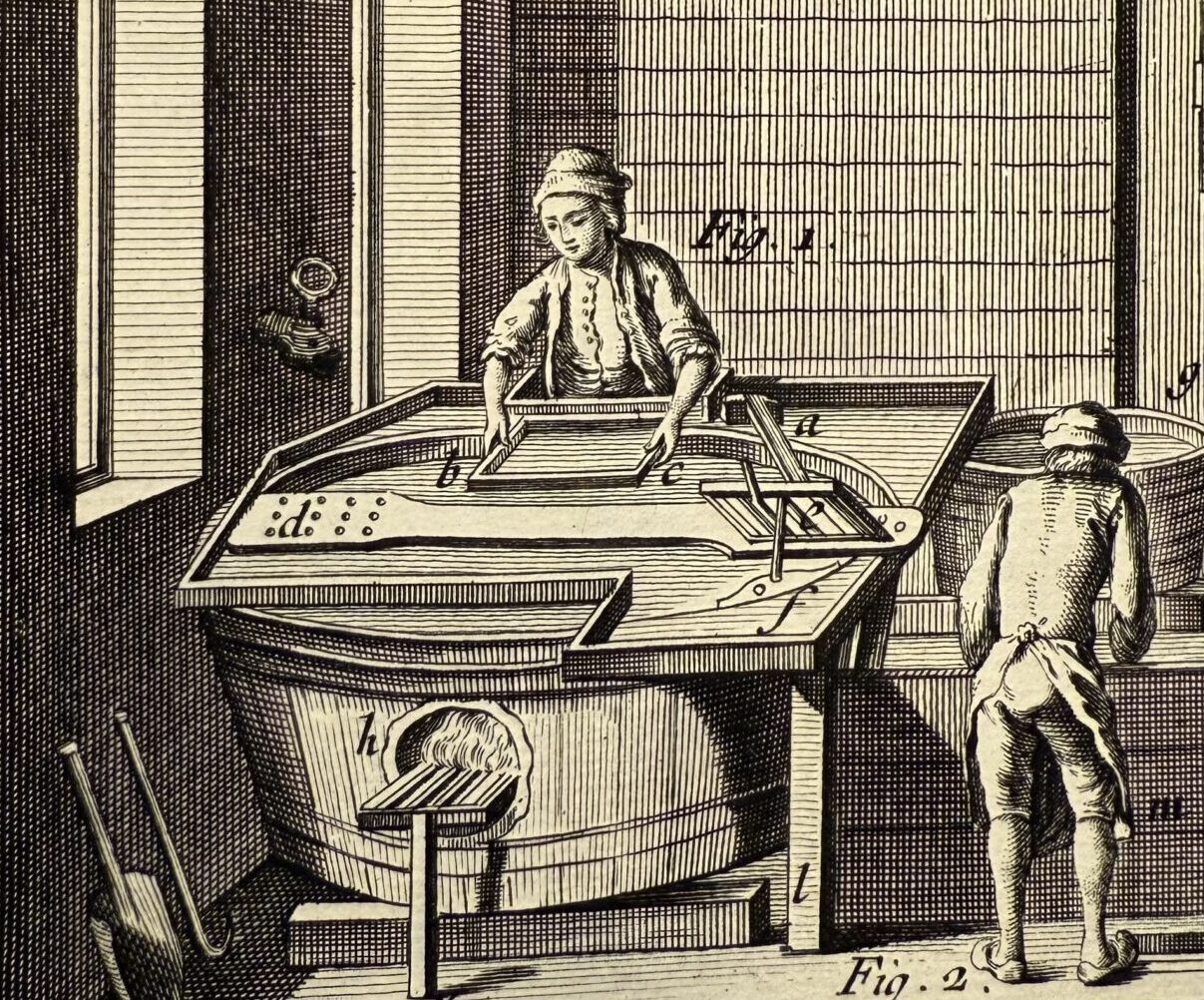
Papermaking A Rags To Riches Story Bibliomania