Sewing enthusiasts often seek tools that enhance their crafting experience. One such tool is sewing tracing paper, which simplifies the process of transferring patterns onto fabric. Understanding how to use it effectively can elevate your sewing projects.
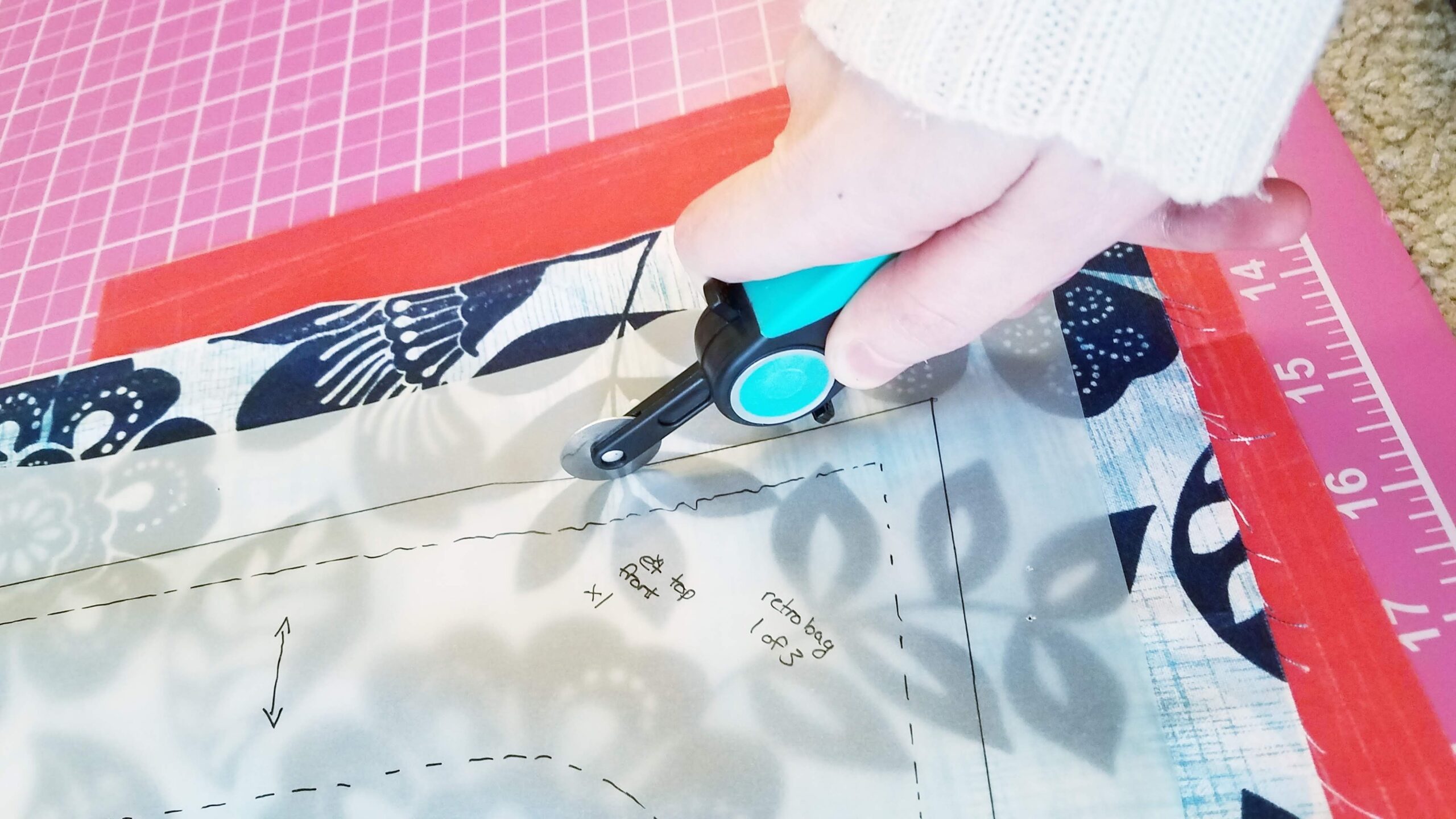
How To Use Sewing Tracing Paper
How To Use Sewing Tracing Paper
To start, choose the right type of tracing paper for your fabric. There are various options available, including waxed and non-waxed papers. Each type serves different purposes, so select one that suits your project best.
Next, place the tracing paper over your pattern. Use weights or pins to secure it in place, ensuring it doesn’t shift while you trace. This step is crucial for maintaining accuracy in your design.
Once secured, use a tracing wheel or a sharp pencil to transfer the pattern onto the fabric. Apply even pressure to create clear lines that will guide your cutting and sewing. Take your time to avoid mistakes.
Finally, carefully remove the tracing paper and check your fabric for any errors. If everything looks good, you’re ready to cut and sew! This method saves time and ensures a more professional finish.
Using sewing tracing paper can significantly improve your sewing projects. With practice, you’ll find it an invaluable tool in your crafting arsenal, helping you create beautiful garments with ease.
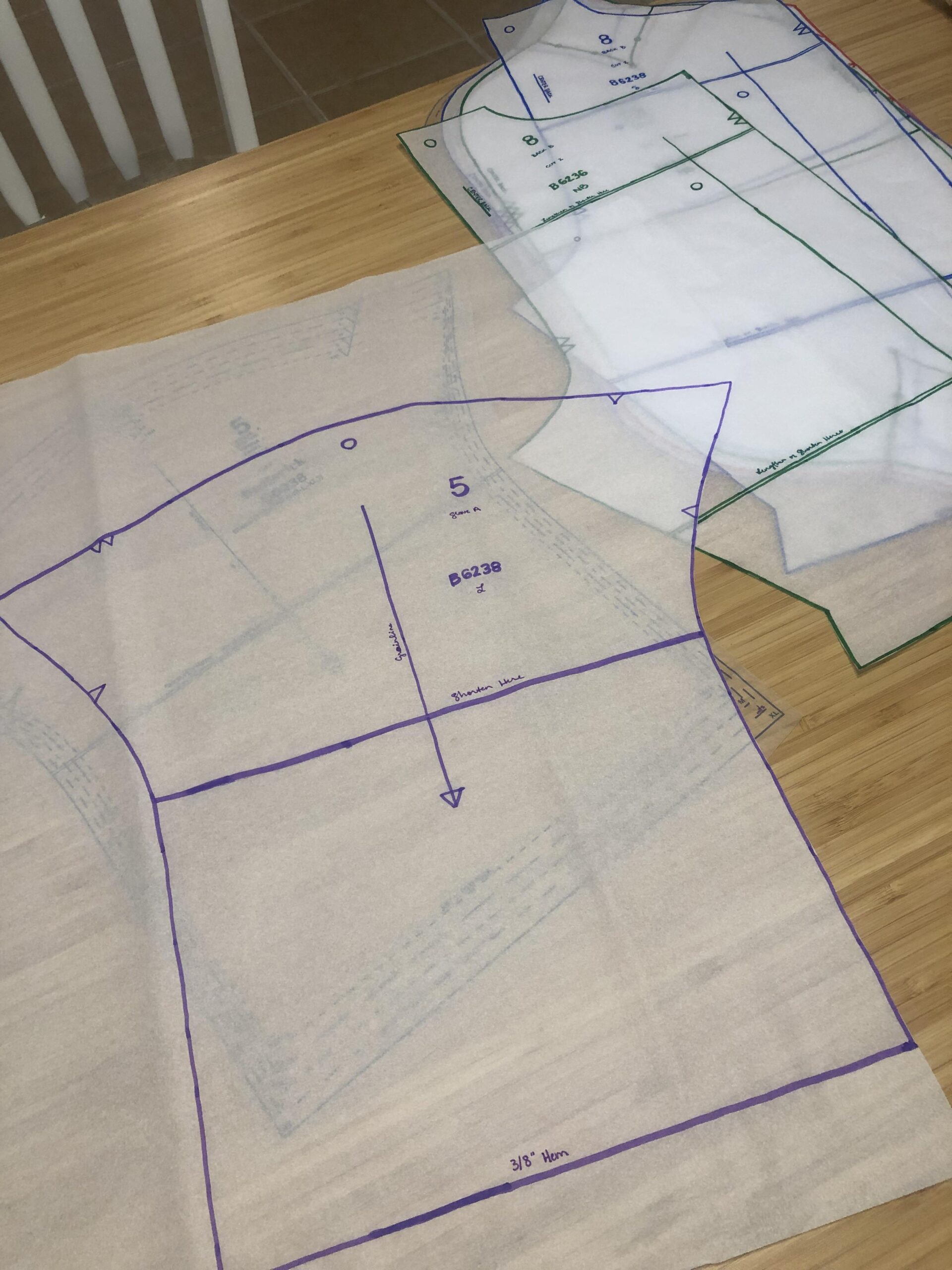
What Do You Use To Trace Patterns More In Comments R sewhelp
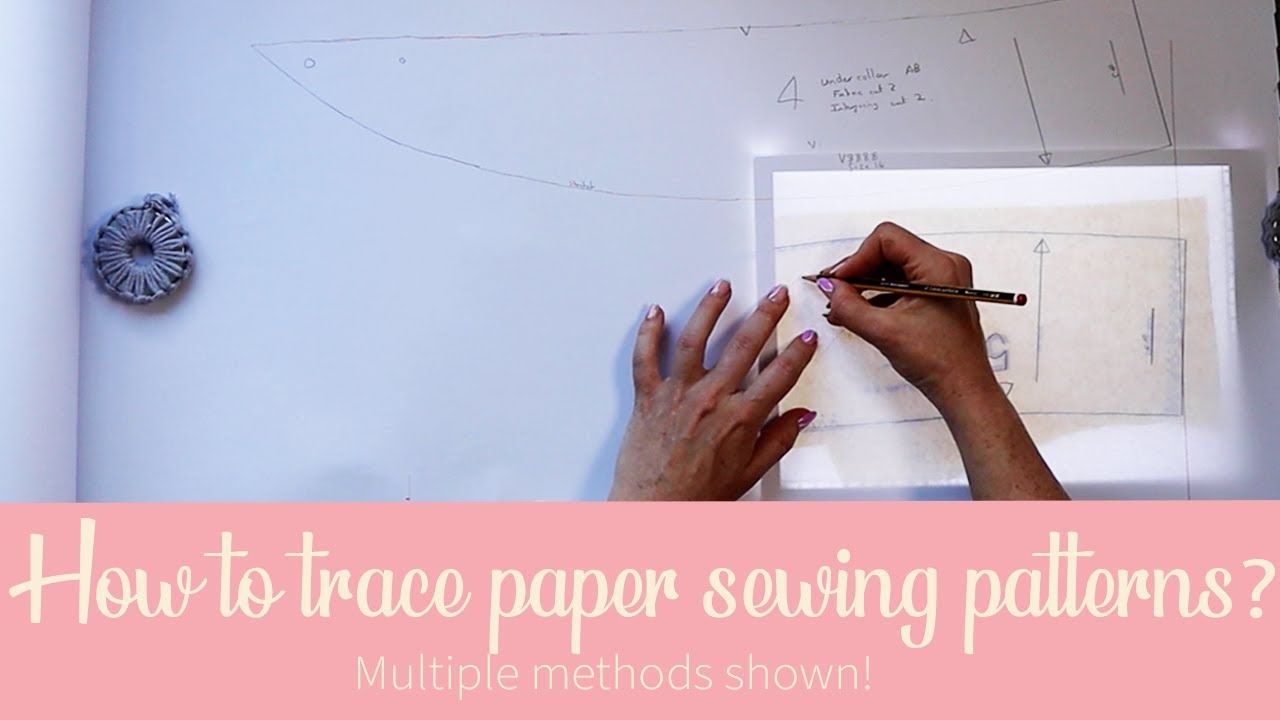
How To Trace A Paper Sewing Pattern
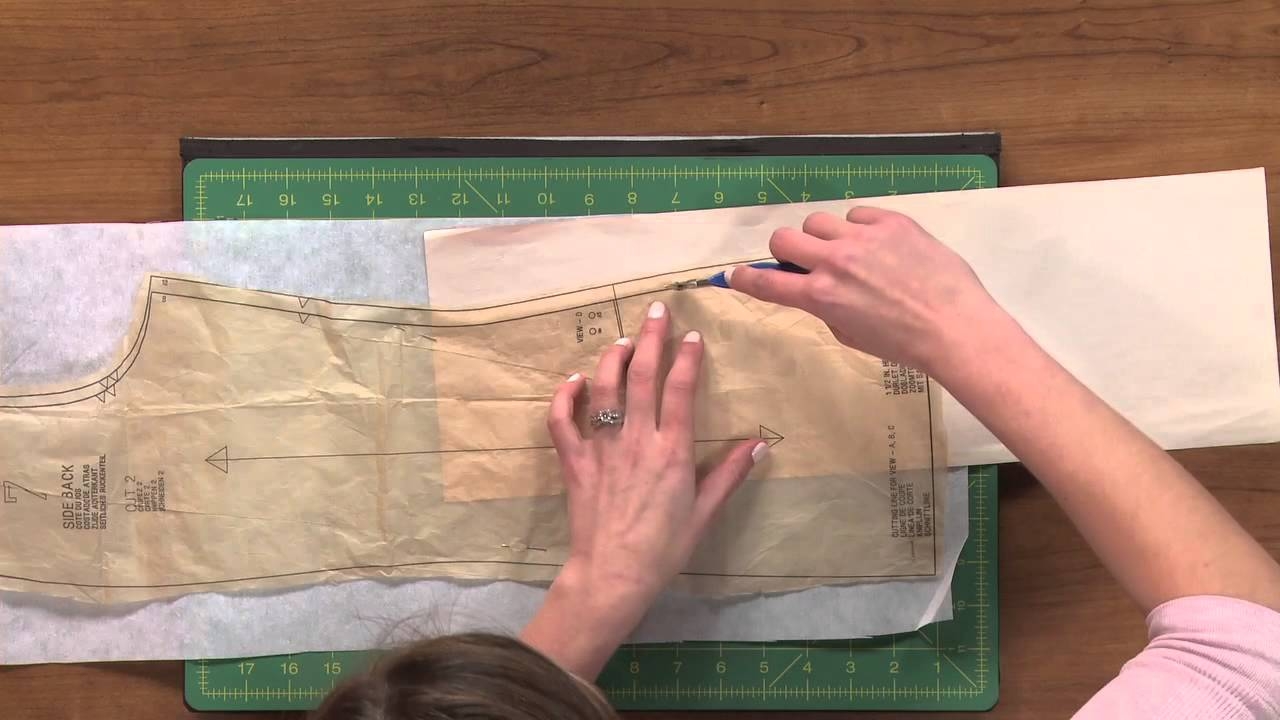
How To Use A Tracing Wheel With Tracing Paper National Sewing
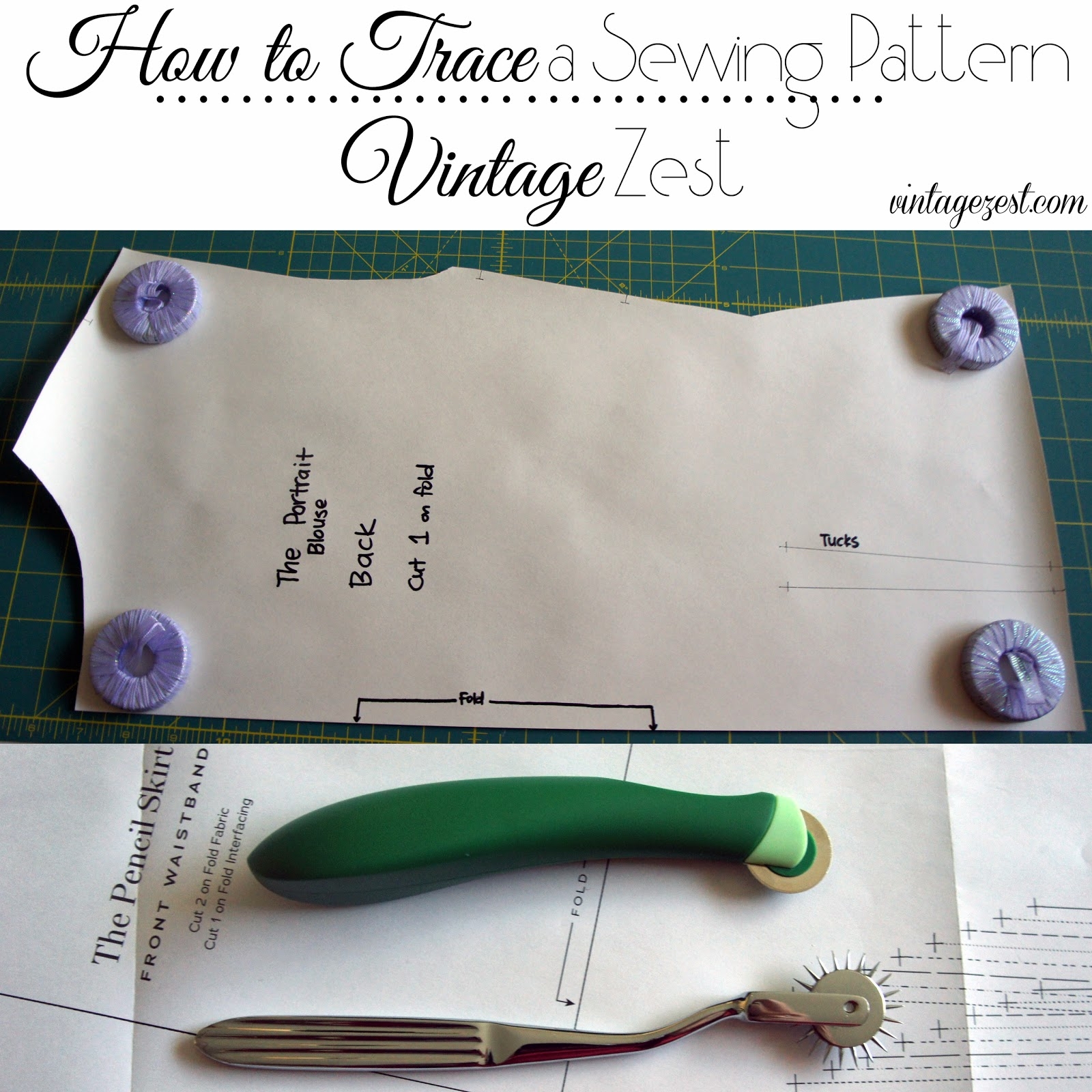
Diane s Vintage Zest Tutorial How To Trace A Sewing Pattern
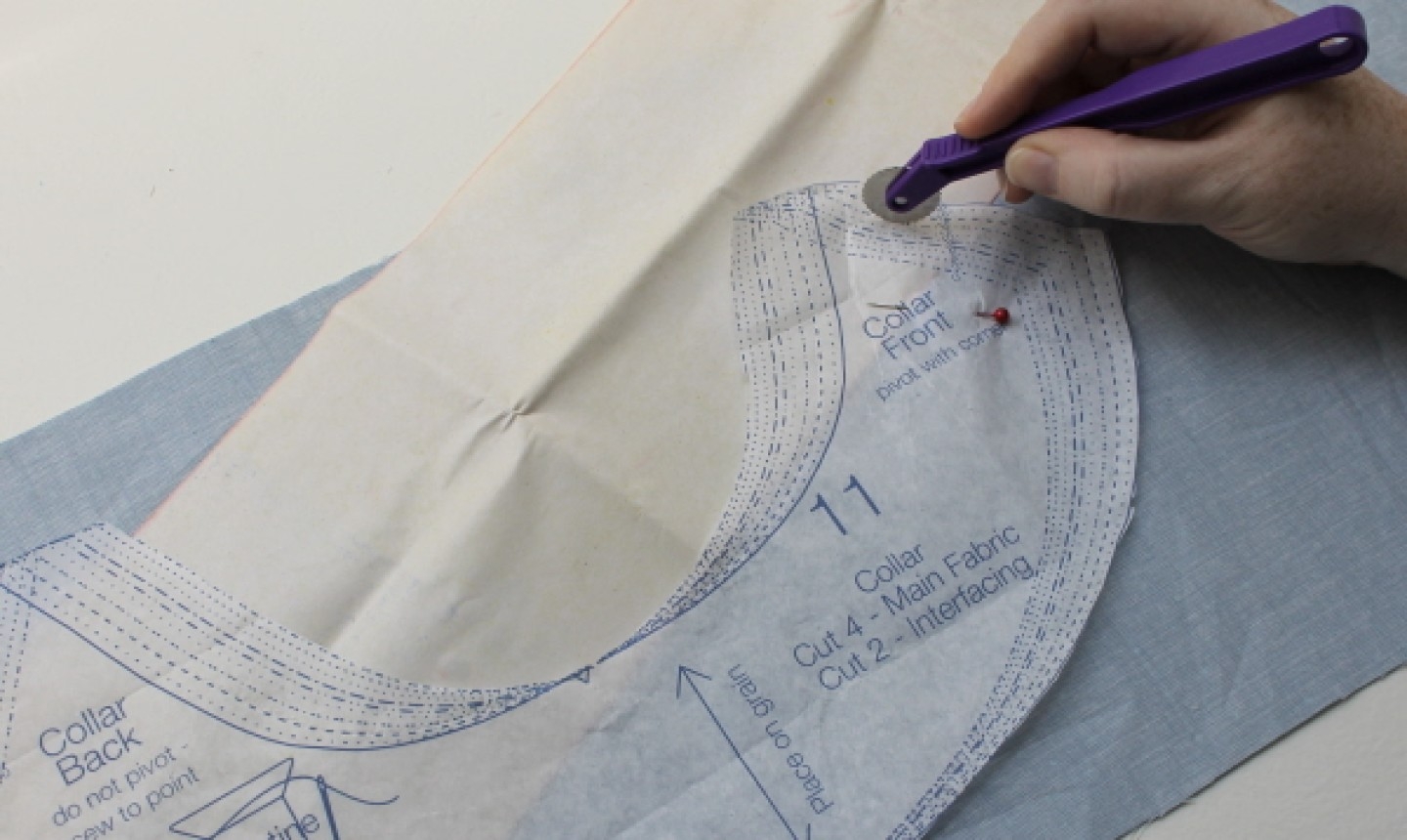
How To Transfer Patterns To Fabric With A Tracing Wheel Craftsy