Tracing paper is a popular choice for artists and designers, known for its translucent quality. Many people use it for sketching, drafting, and creating overlays, but what happens to it after use? Understanding its environmental impact is crucial.
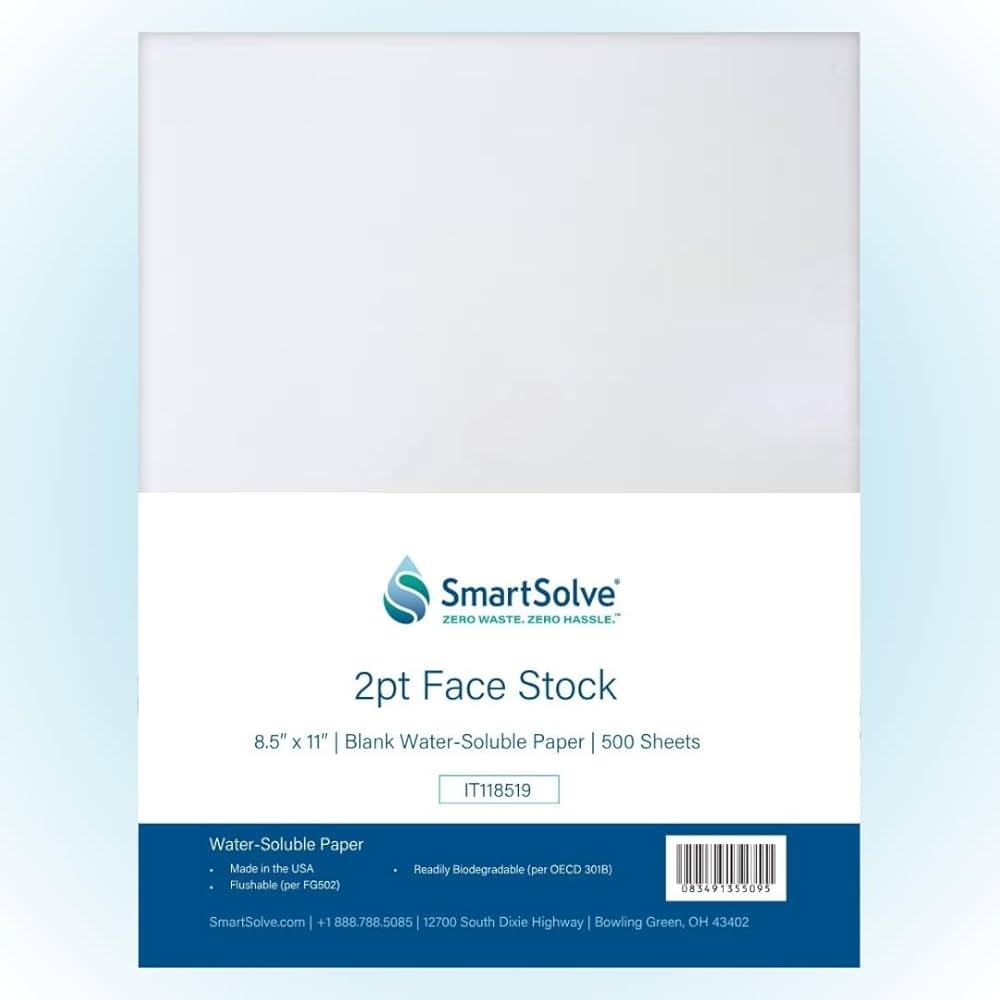
Is Tracing Paper Biodegradable
Is Tracing Paper Biodegradable
Tracing paper is typically made from wood pulp or other cellulose fibers, which are biodegradable. However, the presence of additives and coatings can affect its decomposition rate in natural environments.
Some tracing papers are treated with chemicals to enhance durability and smoothness. These treatments can hinder the biodegradability of the paper, making it less eco-friendly than untreated options.
If you’re looking for an environmentally friendly choice, consider using uncoated tracing paper. This type breaks down more easily and has a lesser impact on the environment when disposed of properly.
Additionally, recycling tracing paper can be a great alternative. Many recycling facilities accept it, allowing you to reduce waste while still enjoying your creative projects.
In conclusion, while some tracing papers are biodegradable, it’s essential to check for coatings and additives. Opting for uncoated varieties or recycling can help minimize your environmental footprint while pursuing your artistic passions.
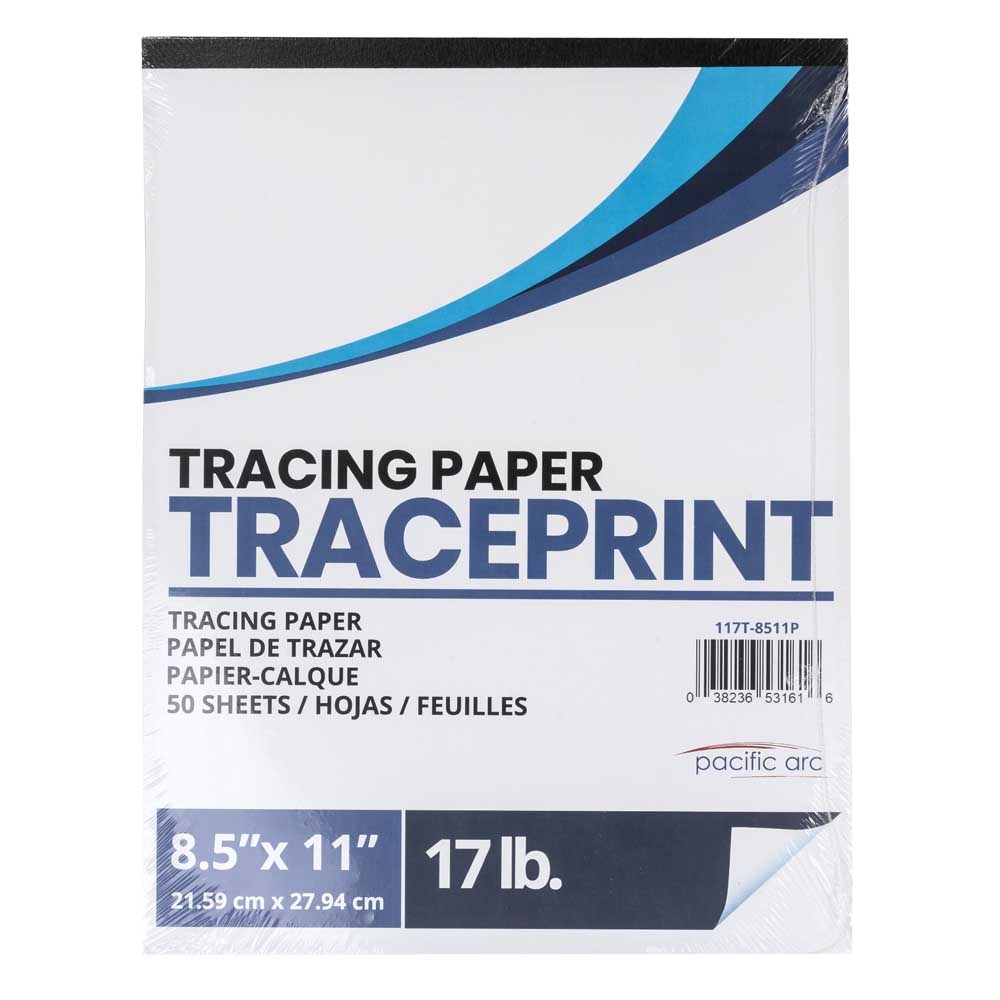
Drawing Tracing Paper Vellum Translucent Tracing Paper 180gsm 40
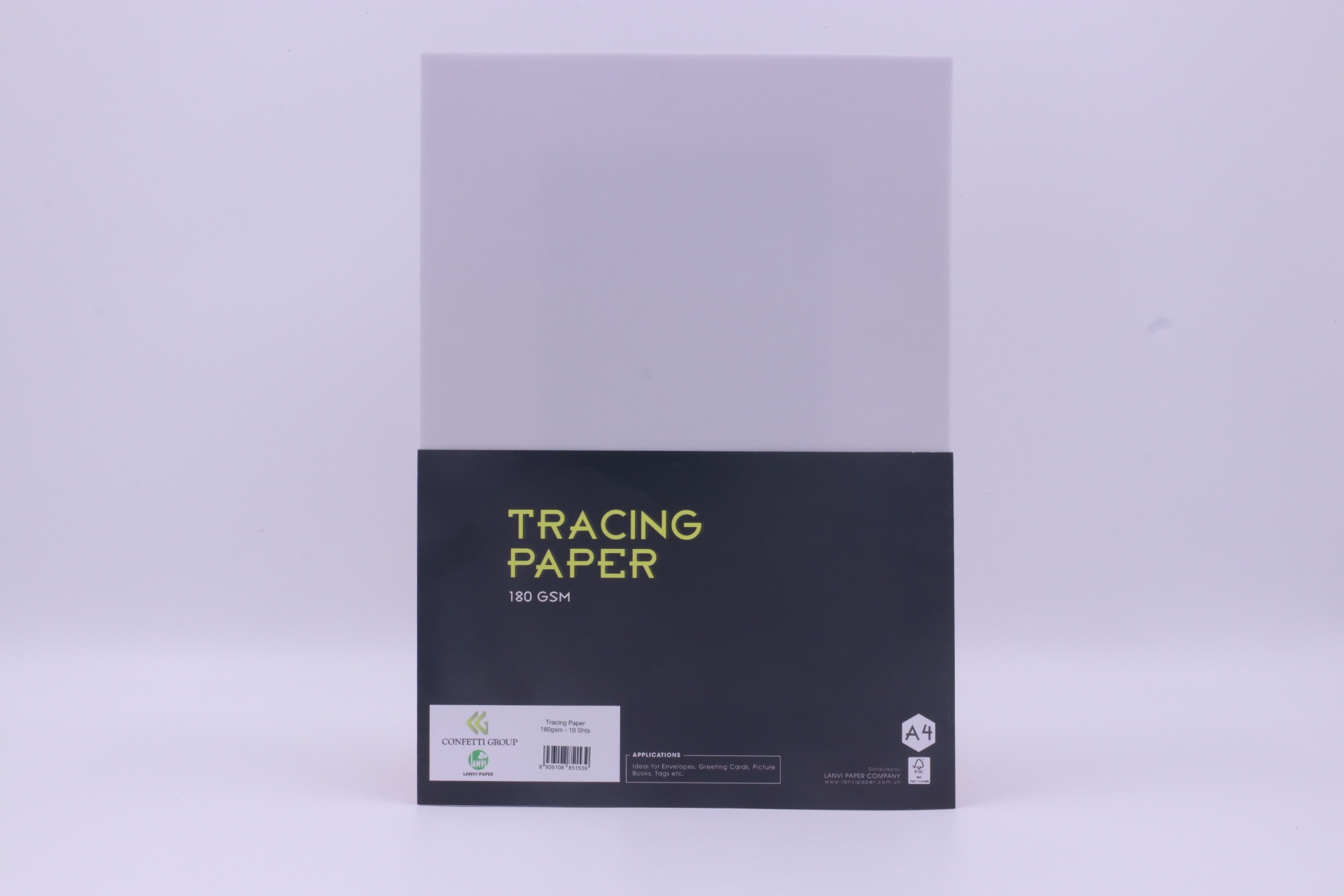
Biodegradable Vellum Sheets Vellum Translucent Tracing Paper
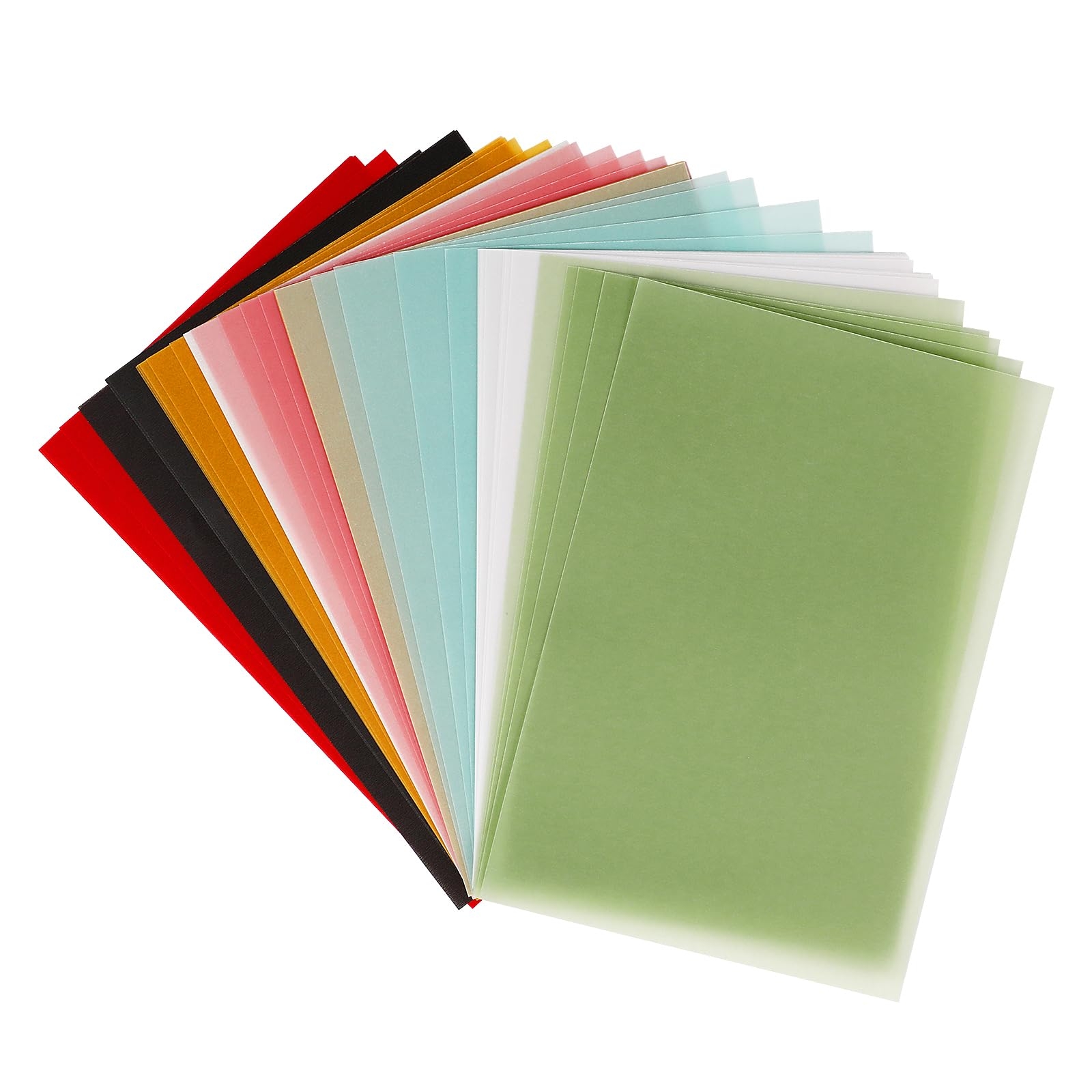
Drawing Tracing Paper Vellum Translucent Tracing Paper 180gsm 40
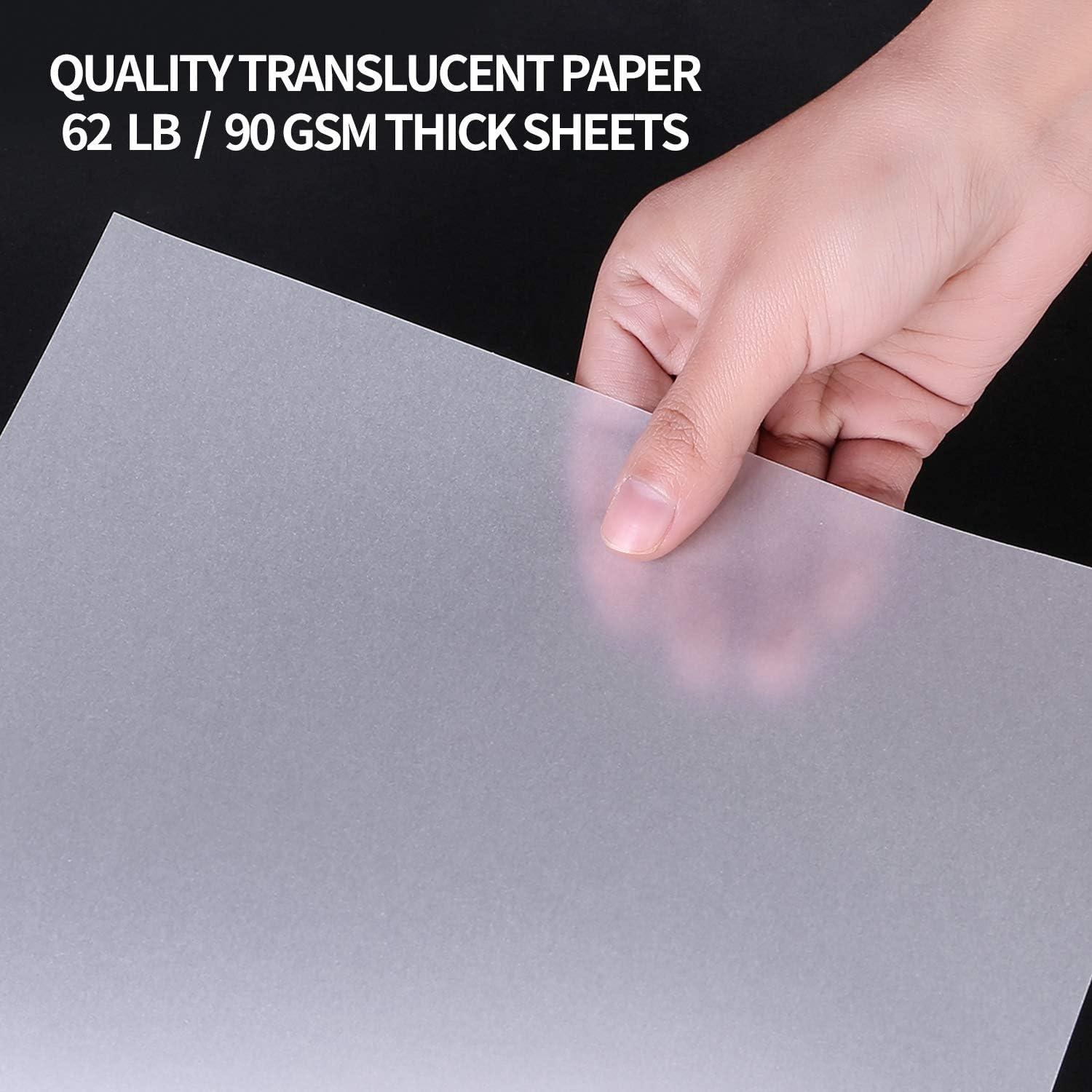
Drawing Tracing Paper Vellum Translucent Tracing Paper 180gsm 40
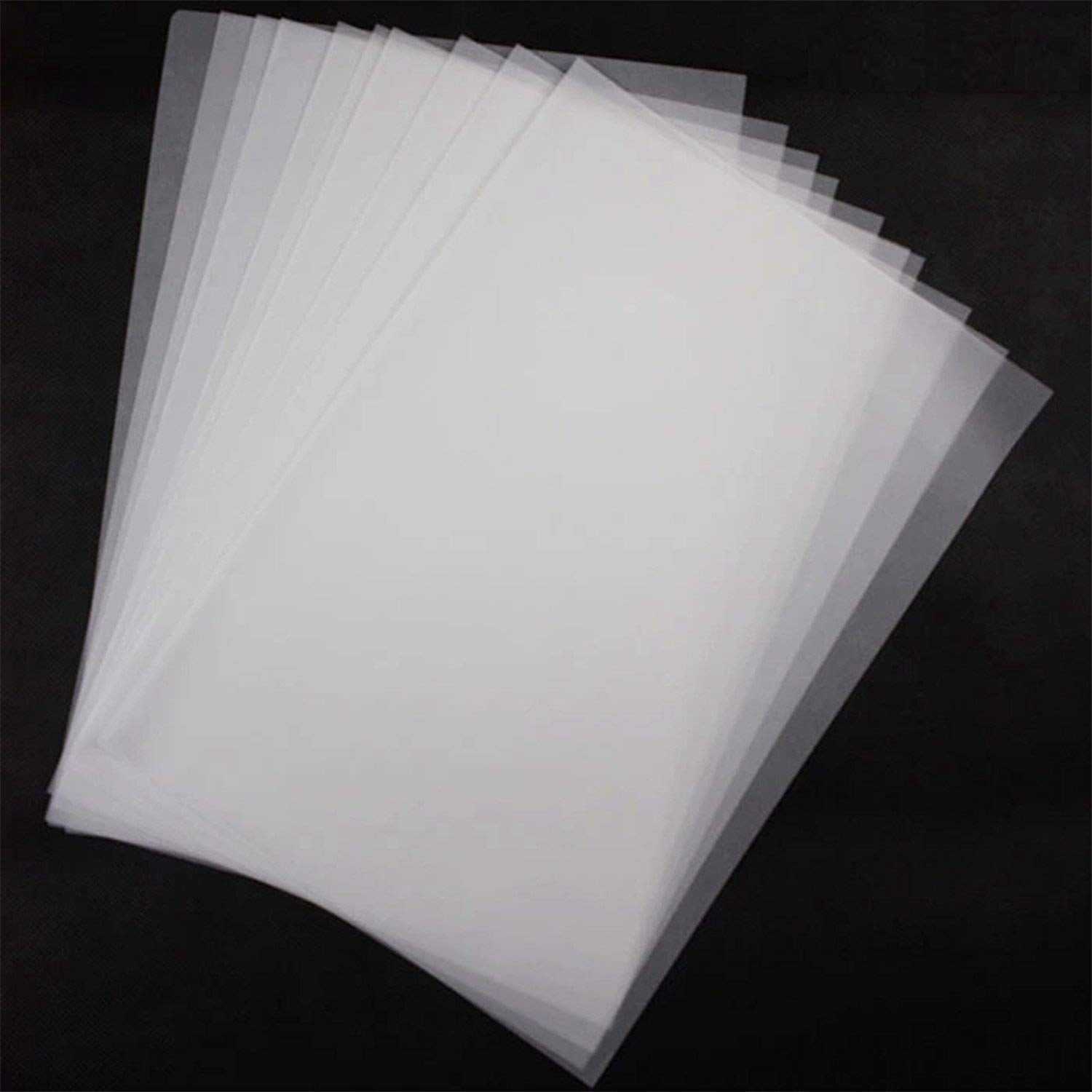
Translucent Paper For Tracing Vellum Translucent Tracing Paper