Understanding how to calculate the perimeter on graph paper can be a fun and engaging activity. It allows you to visualize shapes while honing your math skills. Plus, it’s a great way to combine art and mathematics.
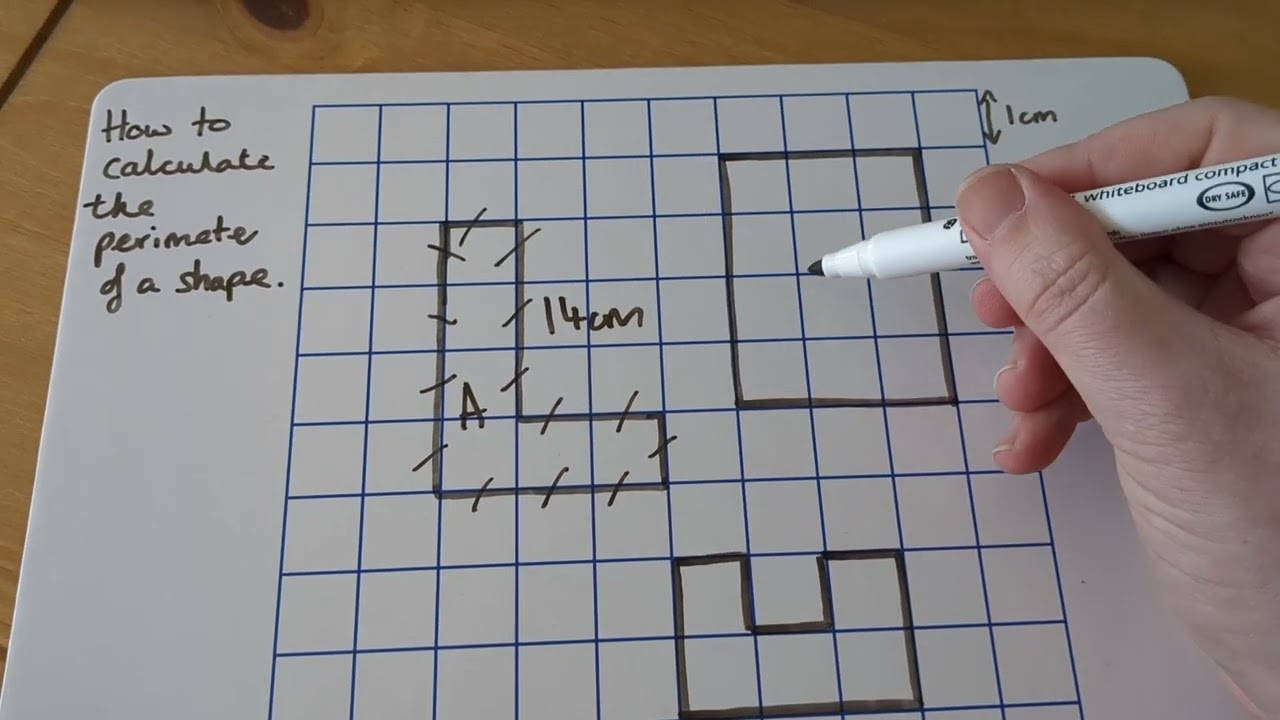
Perimeter On Graph Paper
Perimeter On Graph Paper
To find the perimeter on graph paper, start by outlining the shape you want to measure. Count the number of squares along each side. This will give you the length of each side in units.
Once you have the lengths, simply add them together. For example, if a rectangle has two sides measuring 4 units and two sides measuring 3 units, the perimeter is 2(4) + 2(3) = 14 units.
Using graph paper also helps in visualizing complex shapes. For polygons, ensure you count each side accurately. This method not only aids in calculations but also enhances spatial awareness.
Incorporating perimeter calculations into your routine can boost confidence in math. Whether for school projects or personal interests, mastering this skill on graph paper is both practical and enjoyable.
Exploring perimeter on graph paper opens up a world of creativity and learning. It’s an excellent way to practice math while enjoying the process of drawing and designing shapes.
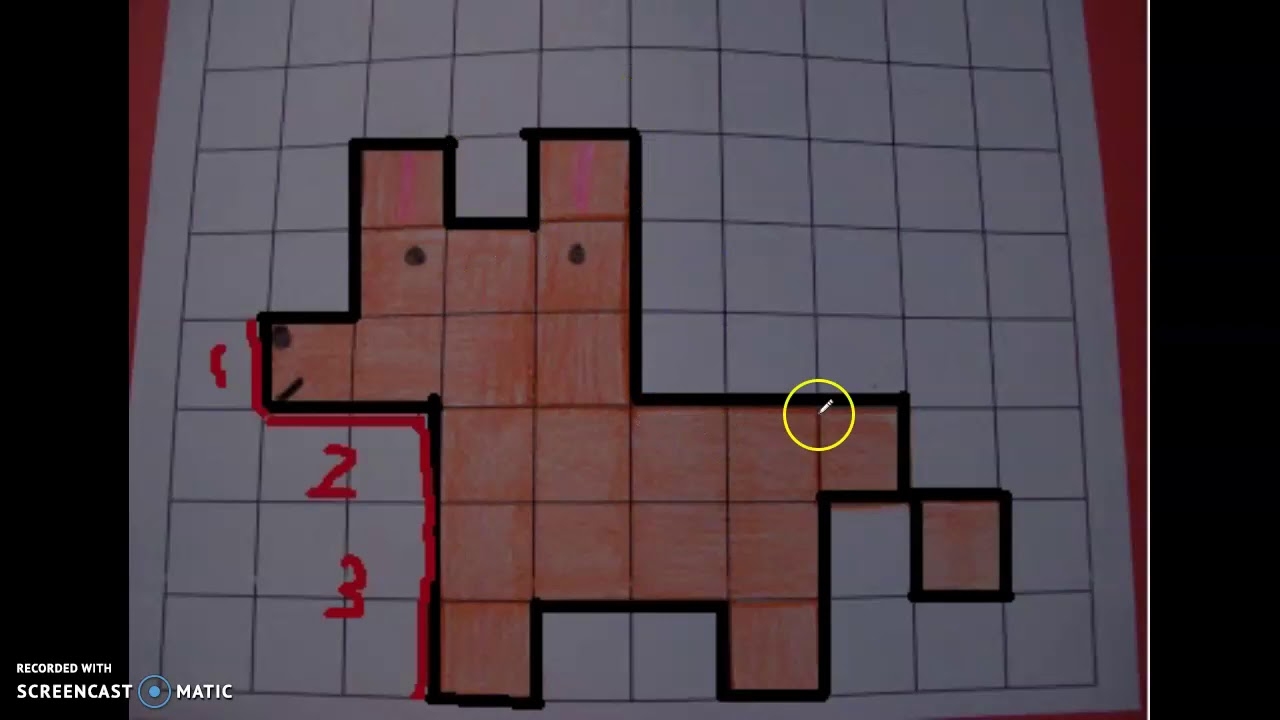
Finding Perimeter Using Graph Paper Dog
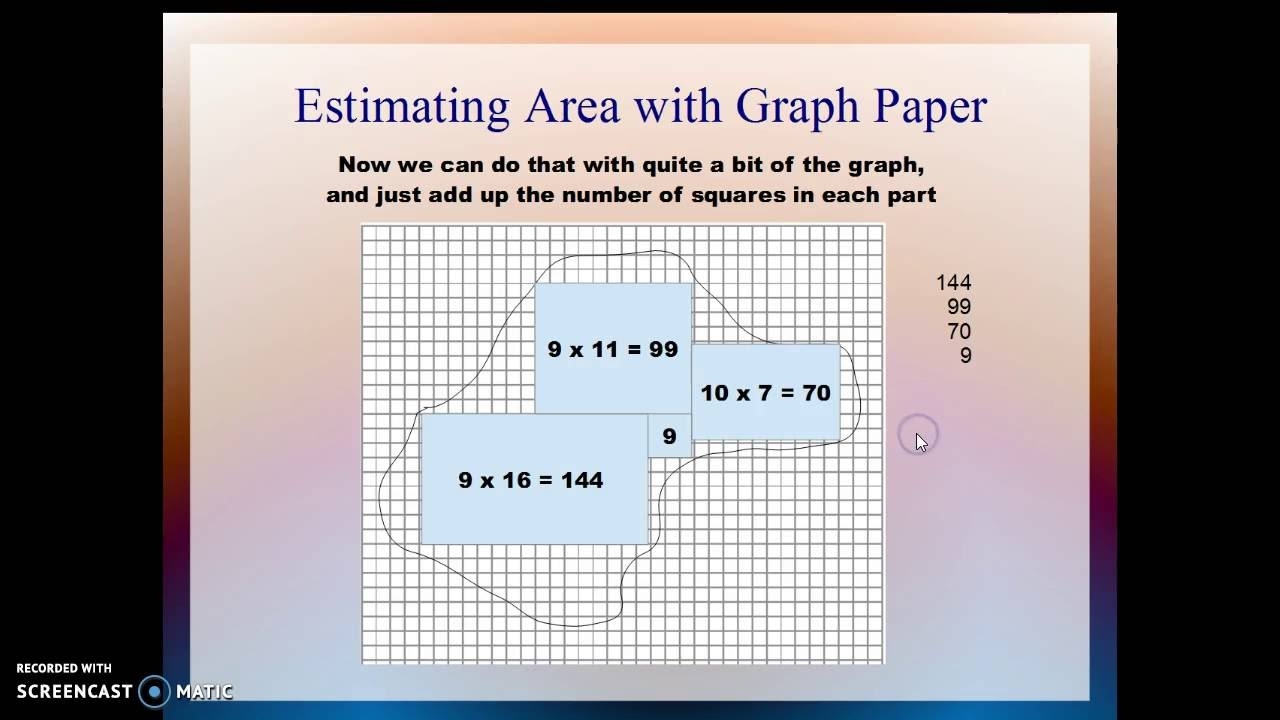
Estimating Area amp Perimeter Of Object With Graph Paper PAP
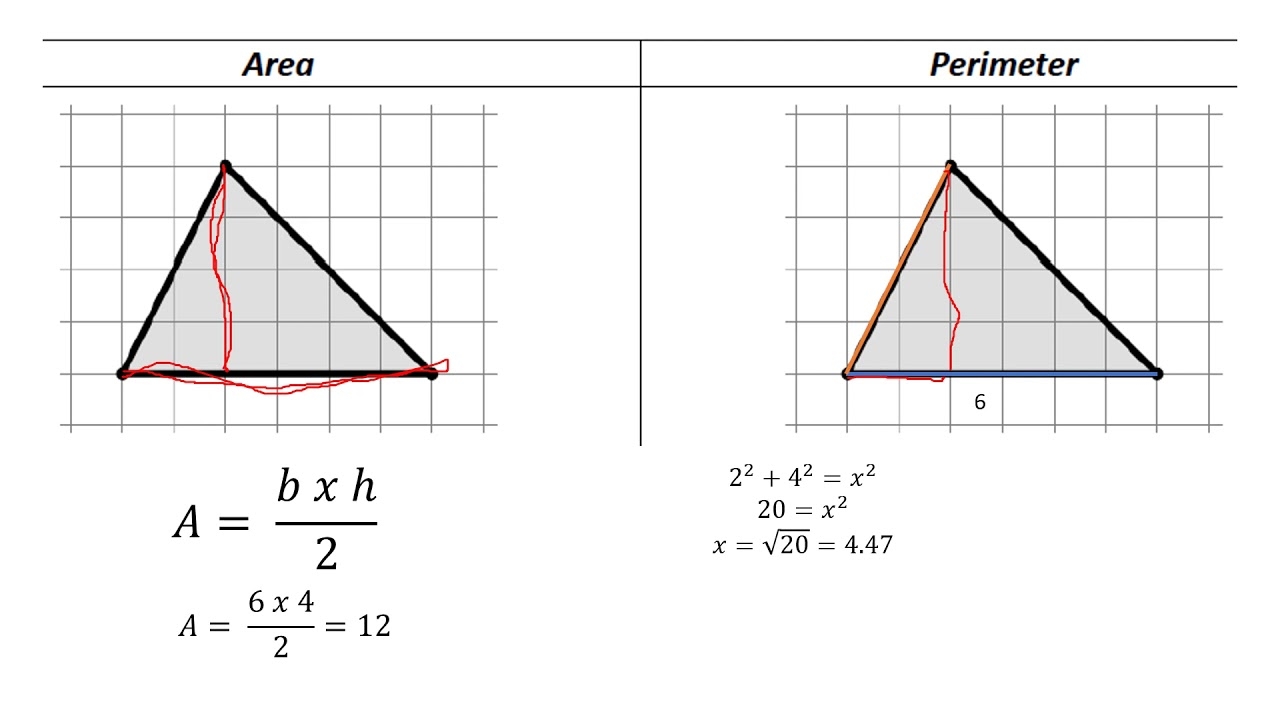
Area And Perimeter With Grid Paper
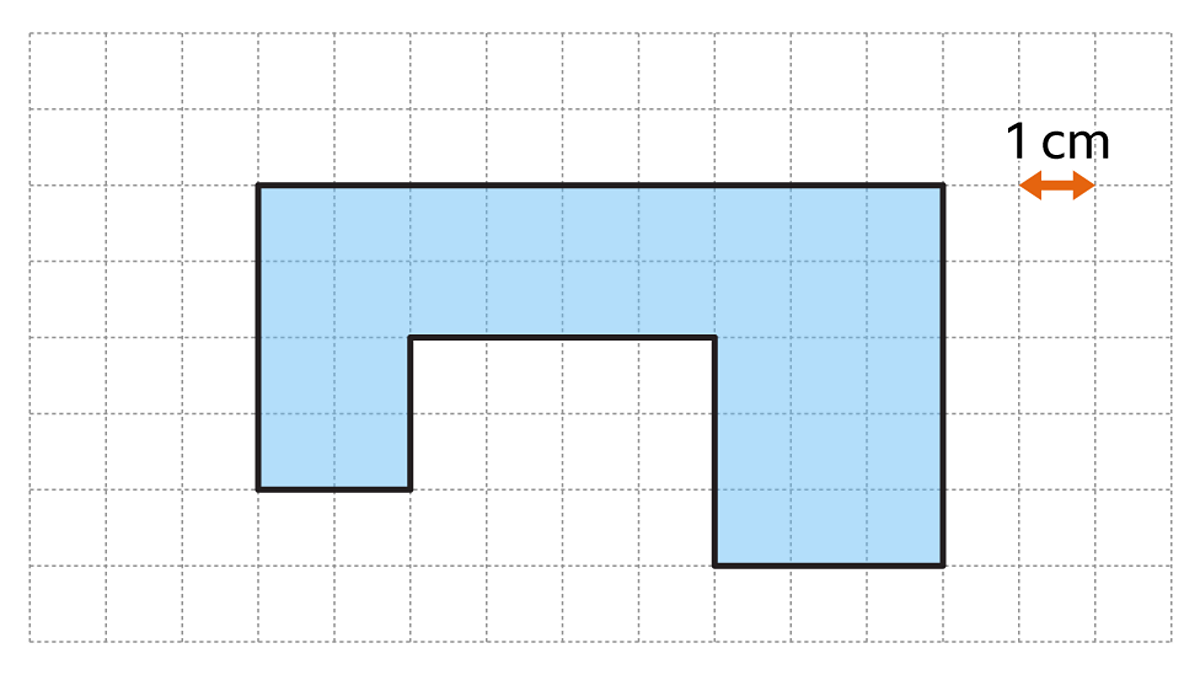
Perimeter KS3 Maths BBC Bitesize
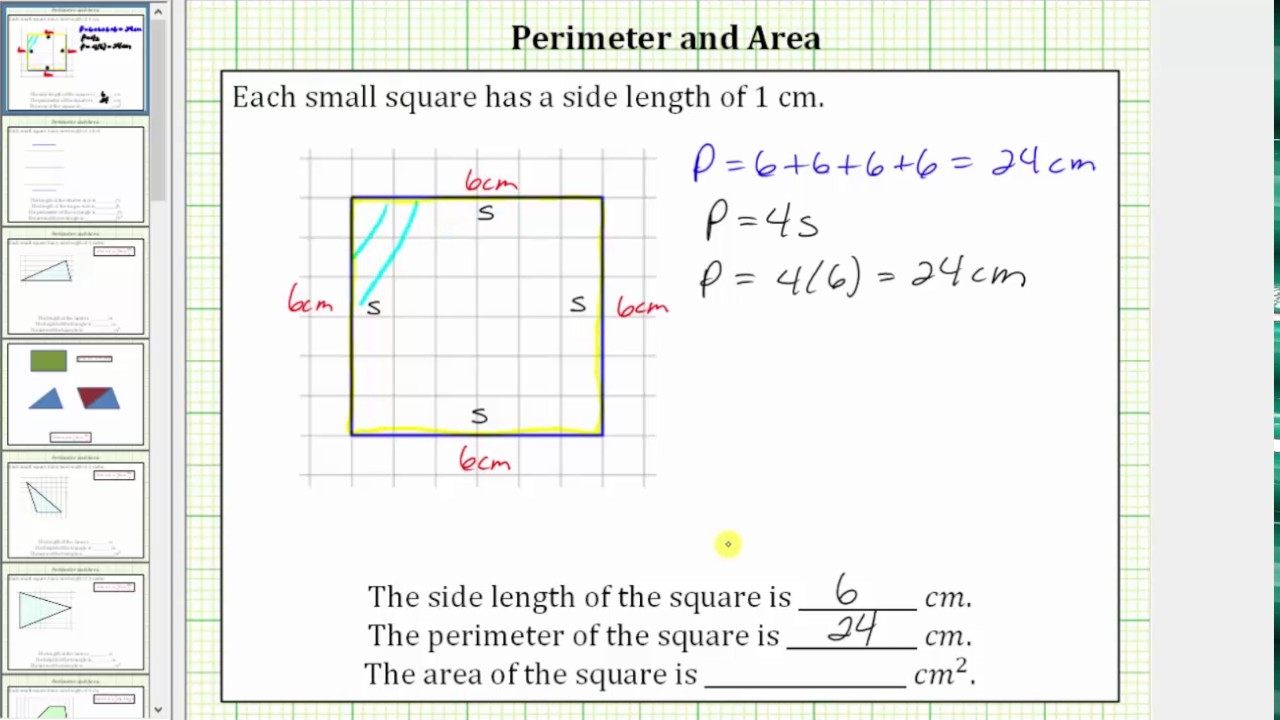
Determine The Perimeter And Area Of A Square On A Grid