Understanding the relationships between different species can be fascinating and complex. A phylogenetic tree helps visualize these connections, making it easier to grasp evolutionary concepts. Using a worksheet can enhance this learning experience significantly.
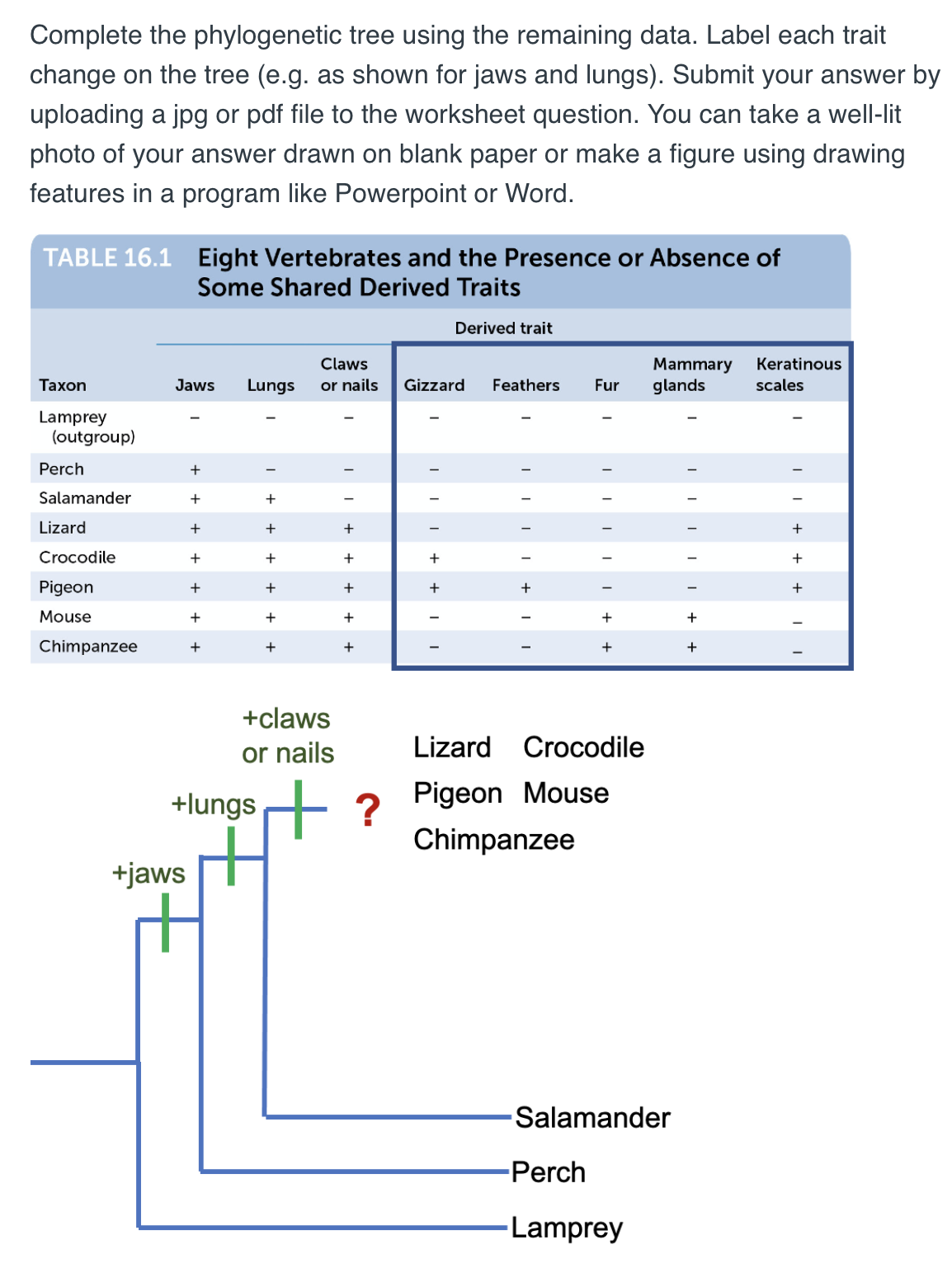
Phylogenetic Tree Paper Worksheet
Phylogenetic Tree Paper Worksheet
Creating a phylogenetic tree involves identifying common ancestors and branching patterns. A worksheet can guide you through this process, ensuring you include essential details like species names and traits. This methodical approach simplifies learning.
Using a phylogenetic tree paper worksheet encourages critical thinking. Students analyze relationships and make connections between species, enhancing their understanding of evolution. This hands-on activity fosters engagement and retention of information.
Additionally, worksheets often include exercises that challenge students to create their own trees. This practice not only reinforces knowledge but also boosts confidence in their ability to interpret complex data. It’s a fun way to learn!
Incorporating a phylogenetic tree paper worksheet into your studies can transform your understanding of biology. It makes learning interactive and enjoyable, paving the way for a deeper appreciation of the natural world.

phylogenetic trees doodle notes emmatheteachie
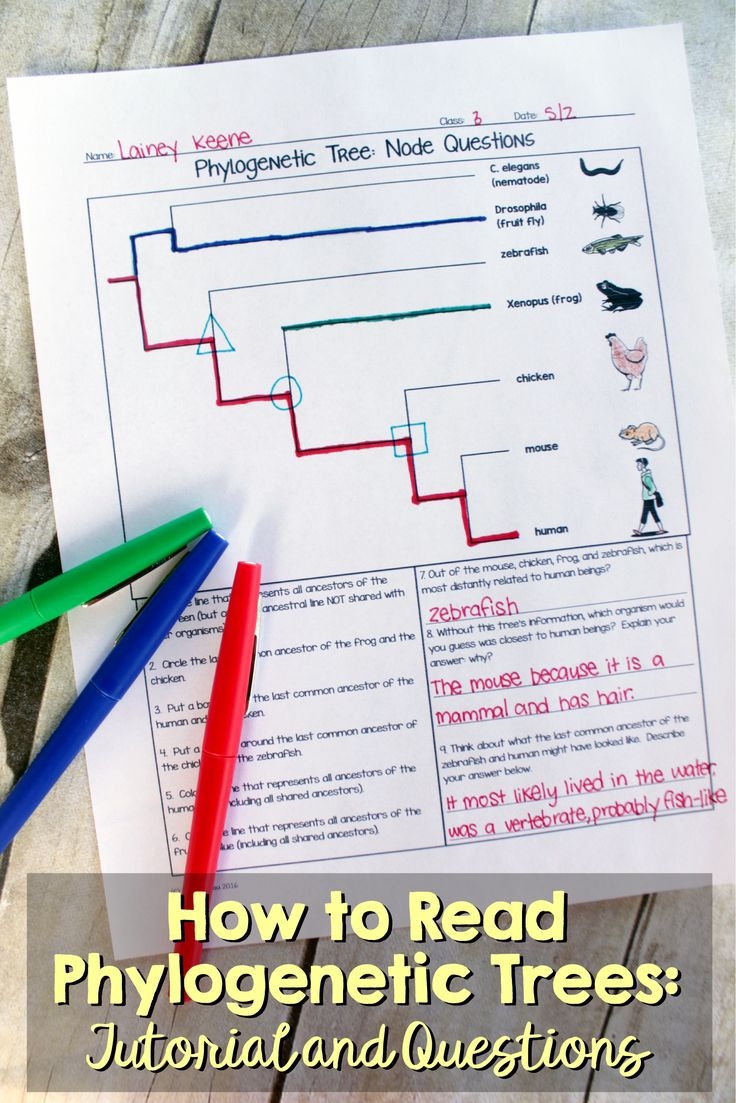
how to read a phylogenetic tree 3 part activity
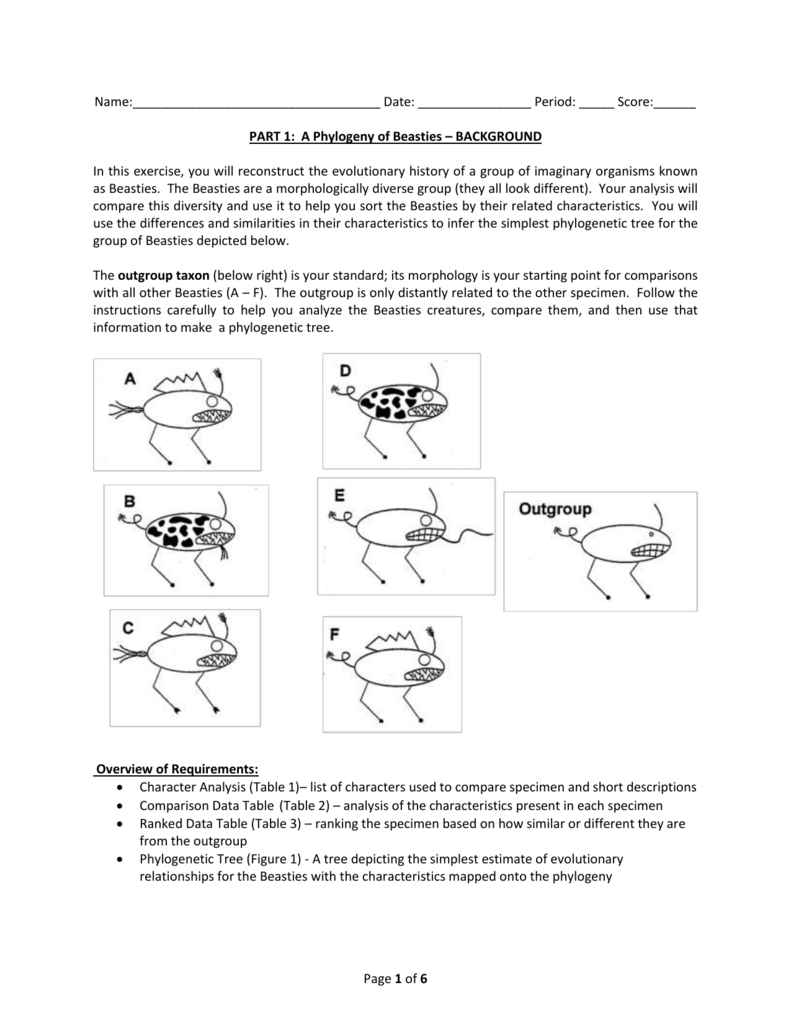
beastie phylogeny worksheet evolutionary relationships
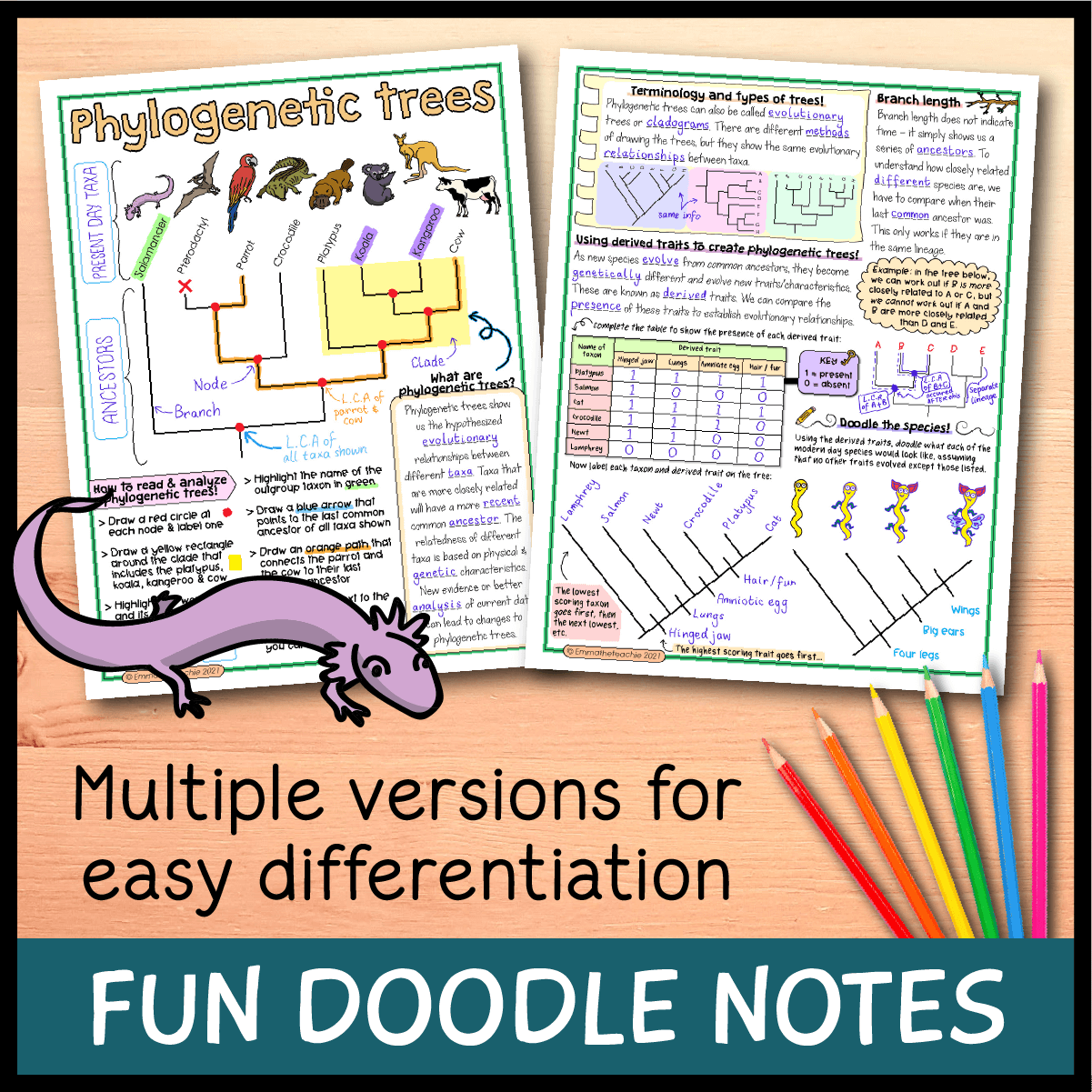
phylogenetic trees lesson bundle emmatheteachie resources
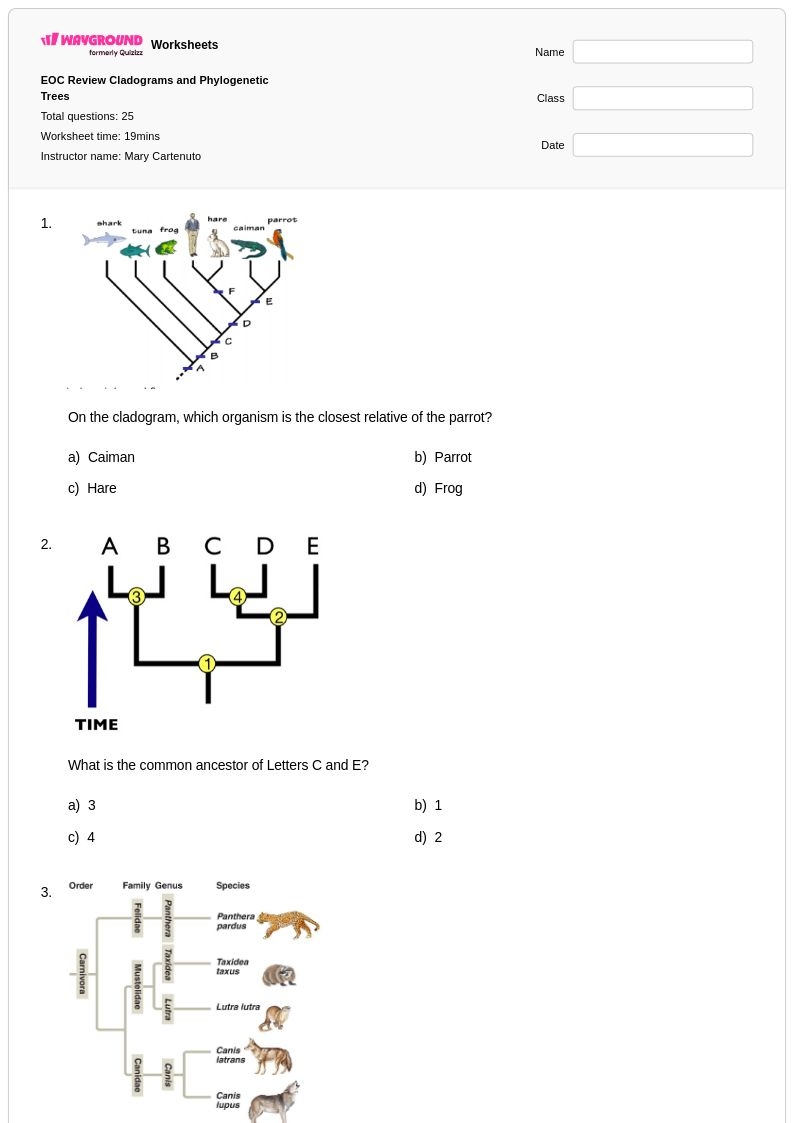
50 phylogenetic tree worksheets for class 9 on wayground free