Understanding the basics of machine learning can be quite fascinating. One important concept that often comes up is the Rectified Linear Unit, commonly referred to as ReLU. This activation function plays a crucial role in neural networks.
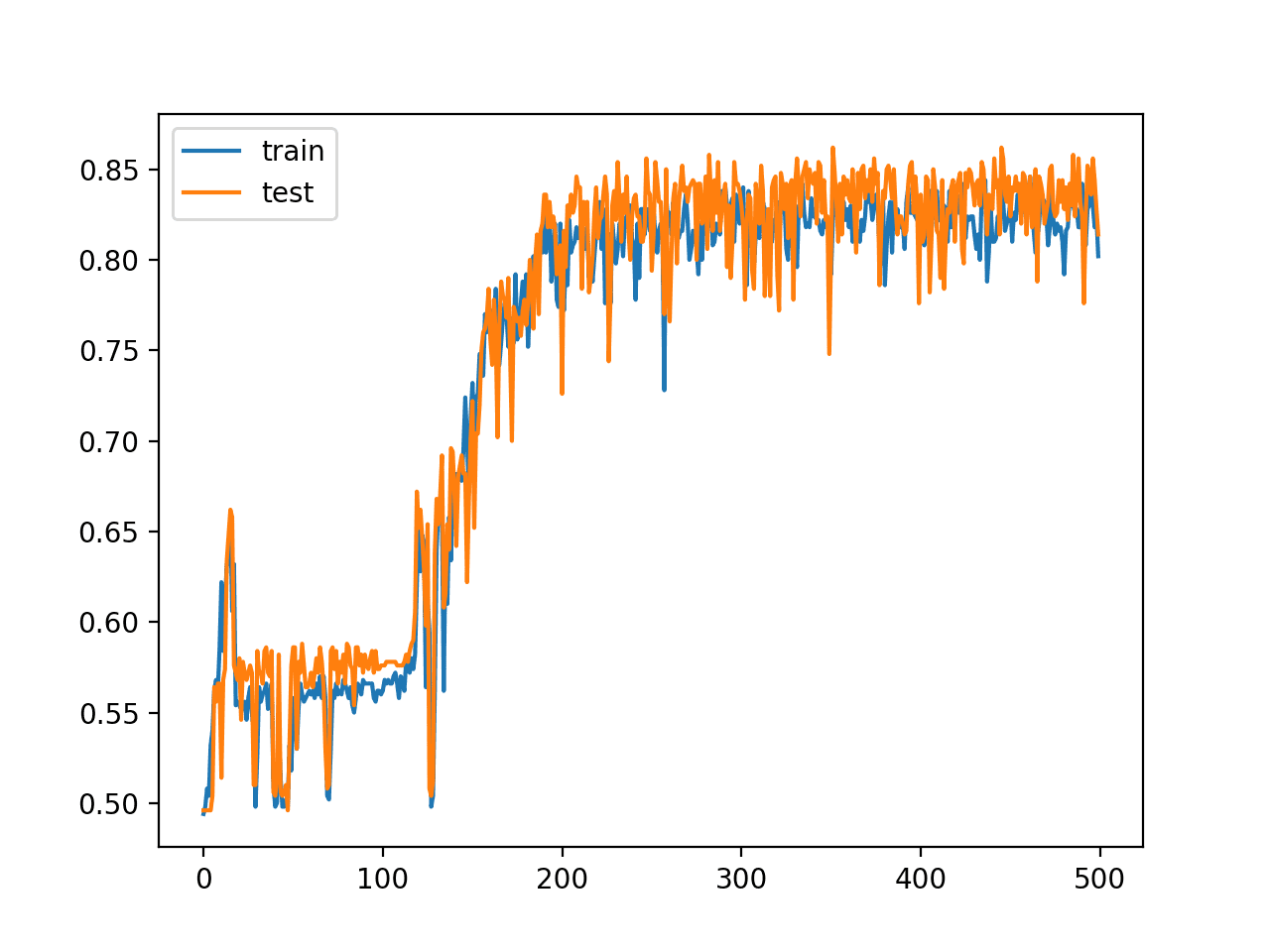
Rectified Linear Unit Paper
Rectified Linear Unit Paper
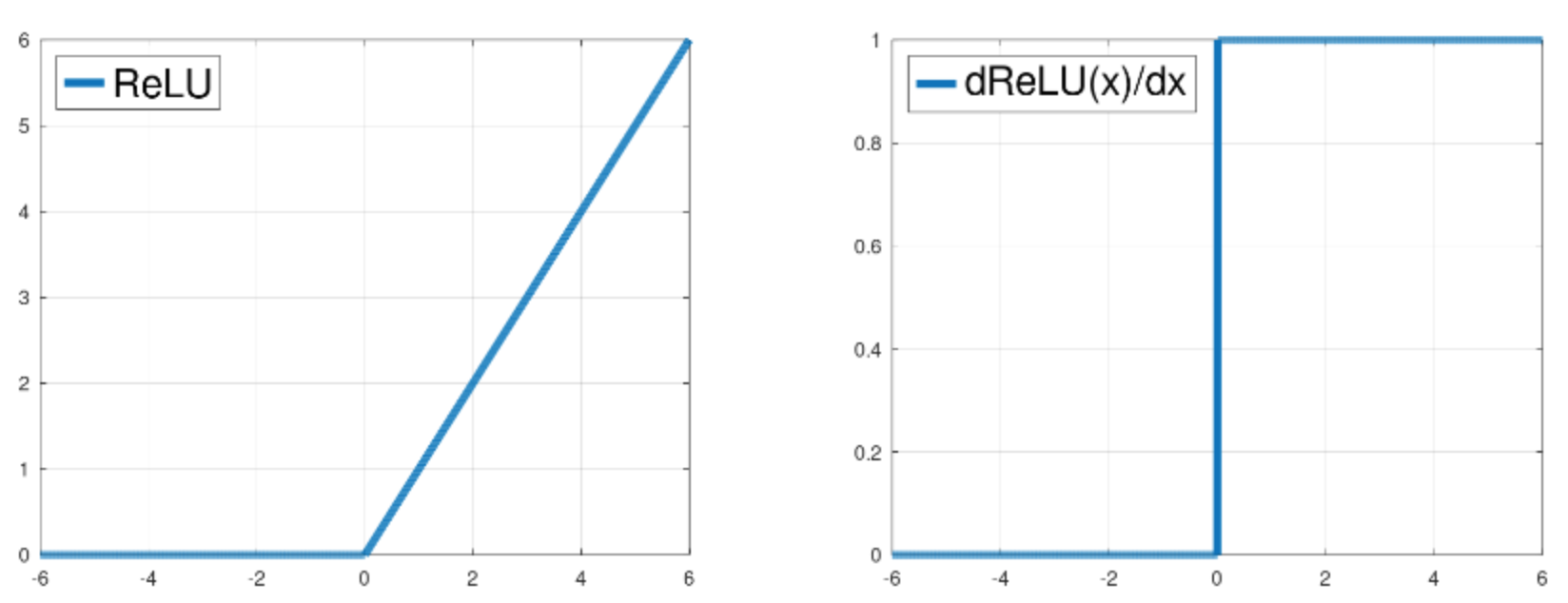
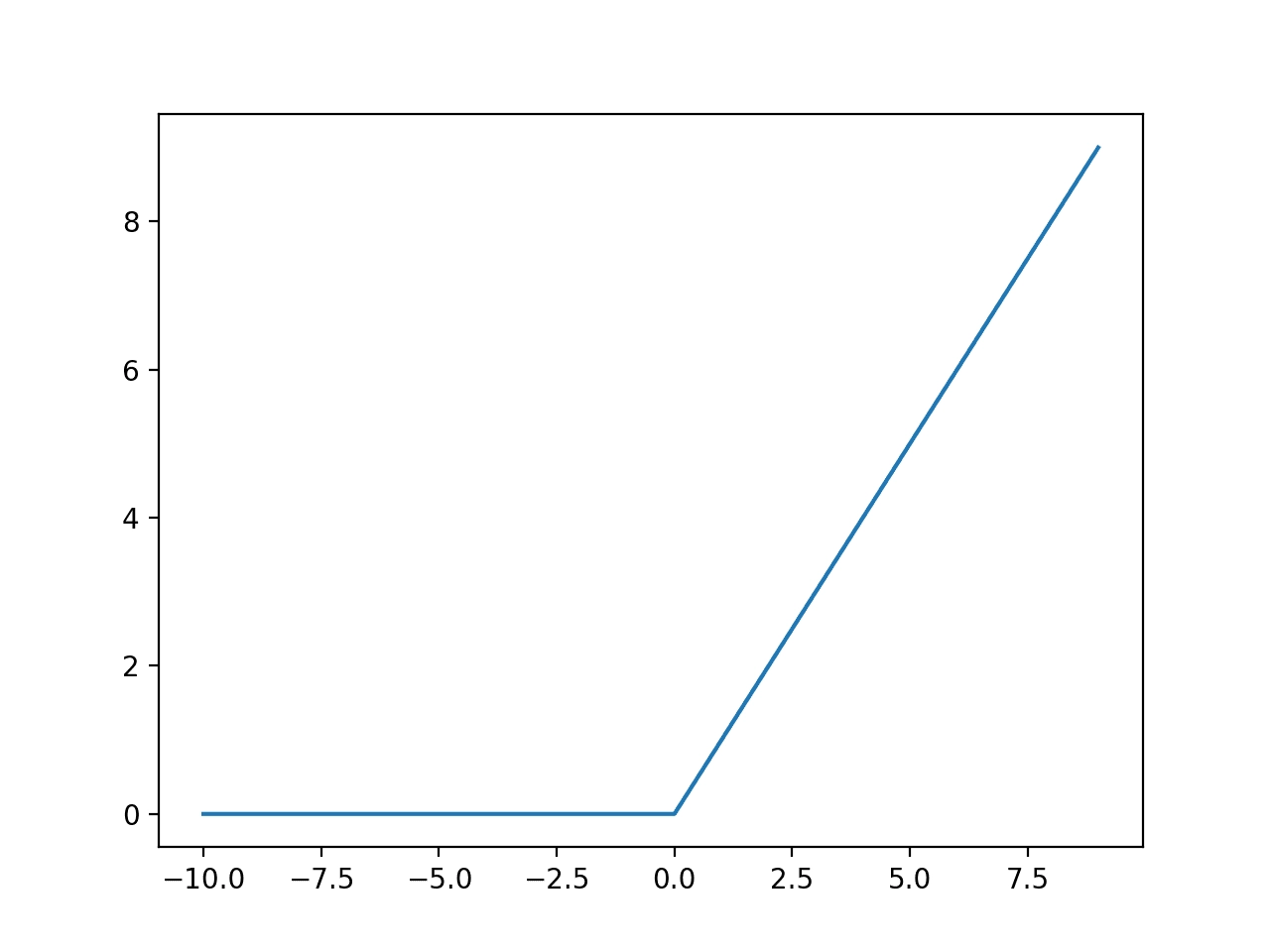
The Rectified Linear Unit Paper outlines the mathematical foundation of ReLU. It explains how this function transforms input values, allowing only positive values to pass through while setting negative values to zero. This characteristic enhances model performance.
One significant benefit of using ReLU is its ability to mitigate the vanishing gradient problem. Traditional activation functions like sigmoid can suffer from this issue, slowing down learning. ReLU’s linear nature helps maintain gradients during backpropagation.
Moreover, the Rectified Linear Unit Paper highlights its computational efficiency. Since ReLU involves simple thresholding at zero, it requires less computational power compared to other functions. This efficiency is particularly beneficial for large-scale neural networks.
In summary, the Rectified Linear Unit is a powerful tool in machine learning. By understanding its principles through the Rectified Linear Unit Paper, developers can leverage its benefits for improved model performance and efficiency.
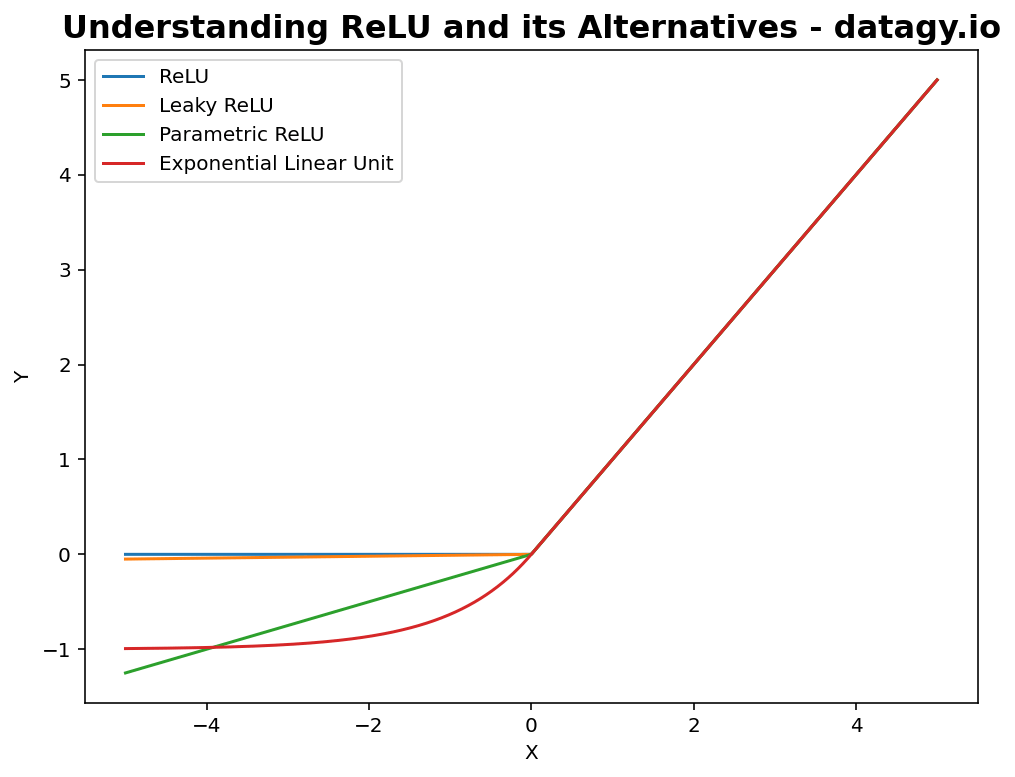
ReLU Activation Function For Deep Learning A Complete Guide To
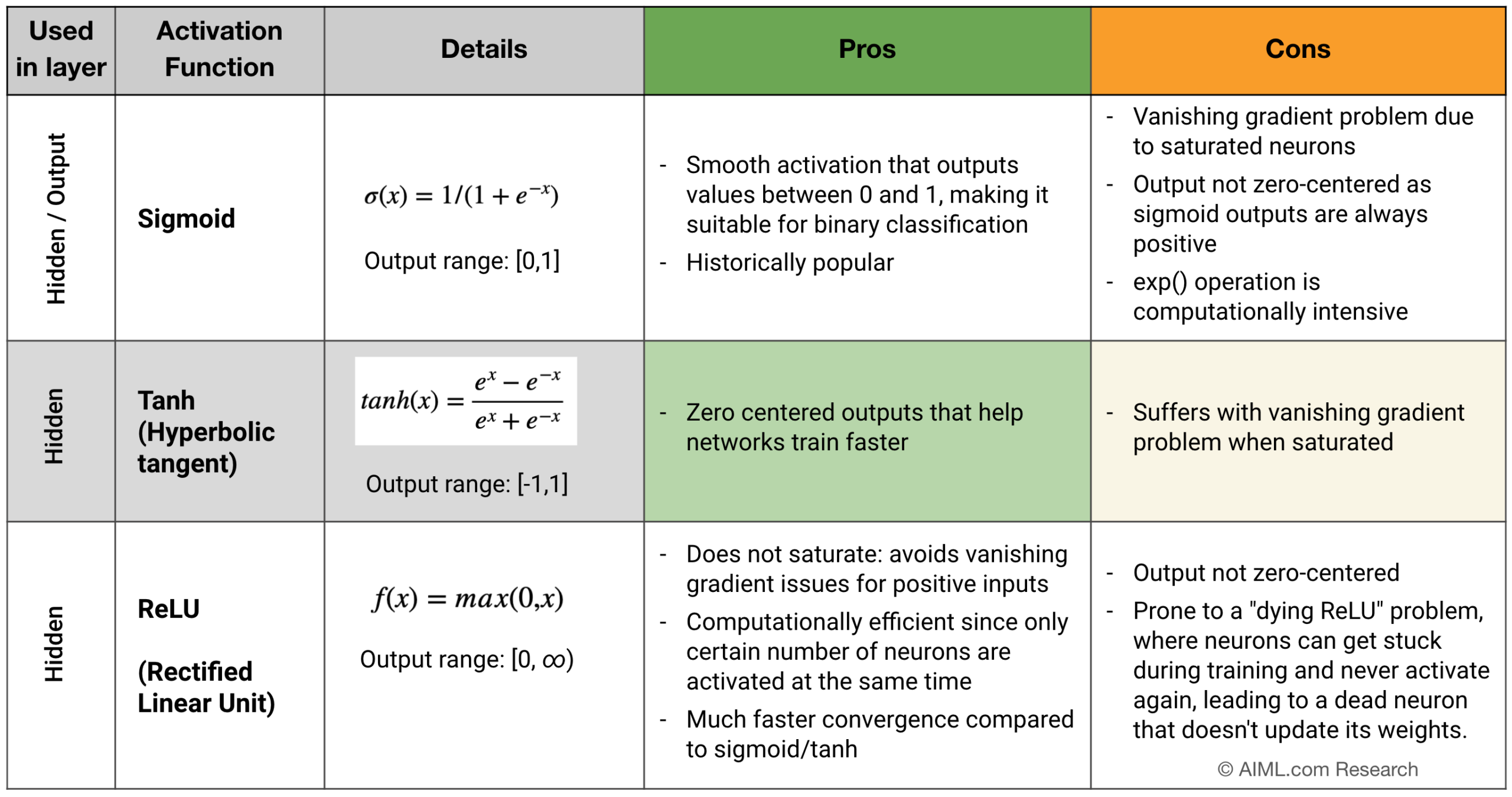
What Is Rectified Linear Unit ReLU Activation Function Discuss
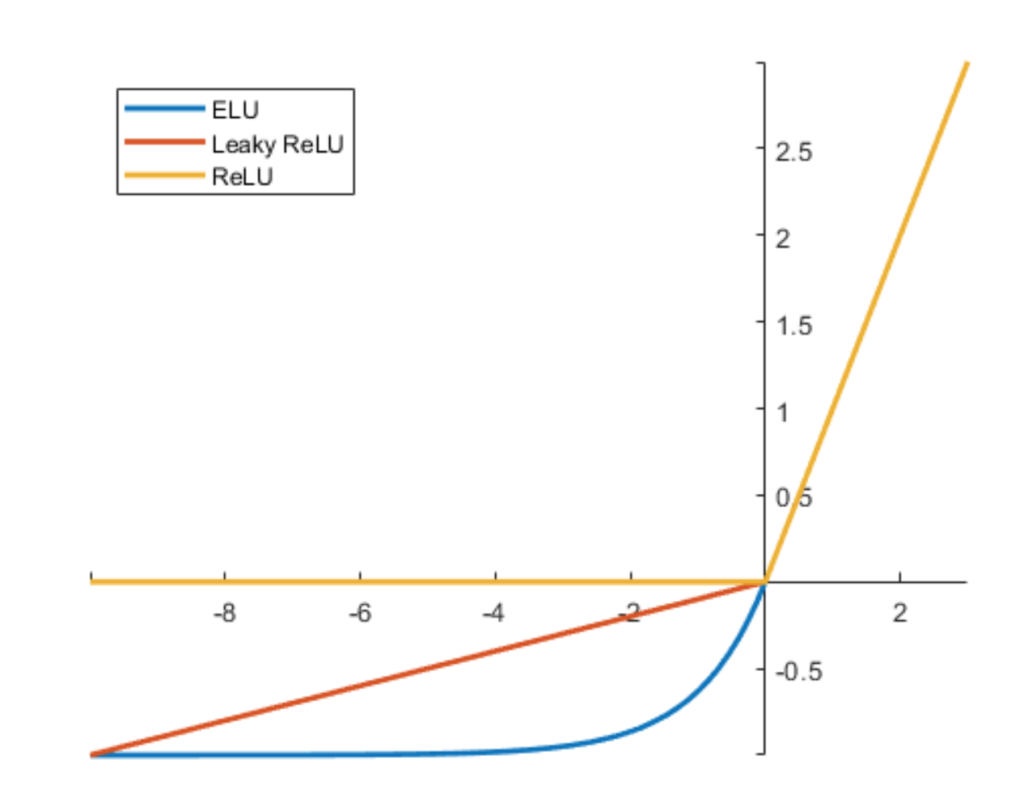
What Is Rectified Linear Unit ReLU Activation Function Discuss
What Is Rectified Linear Unit ReLU Activation Function Discuss
A Gentle Introduction To The Rectified Linear Unit ReLU