Tracing paper has been a staple in the world of art and design for centuries. Its unique properties allow artists and designers to replicate images with ease, making it an essential tool for many creative projects.
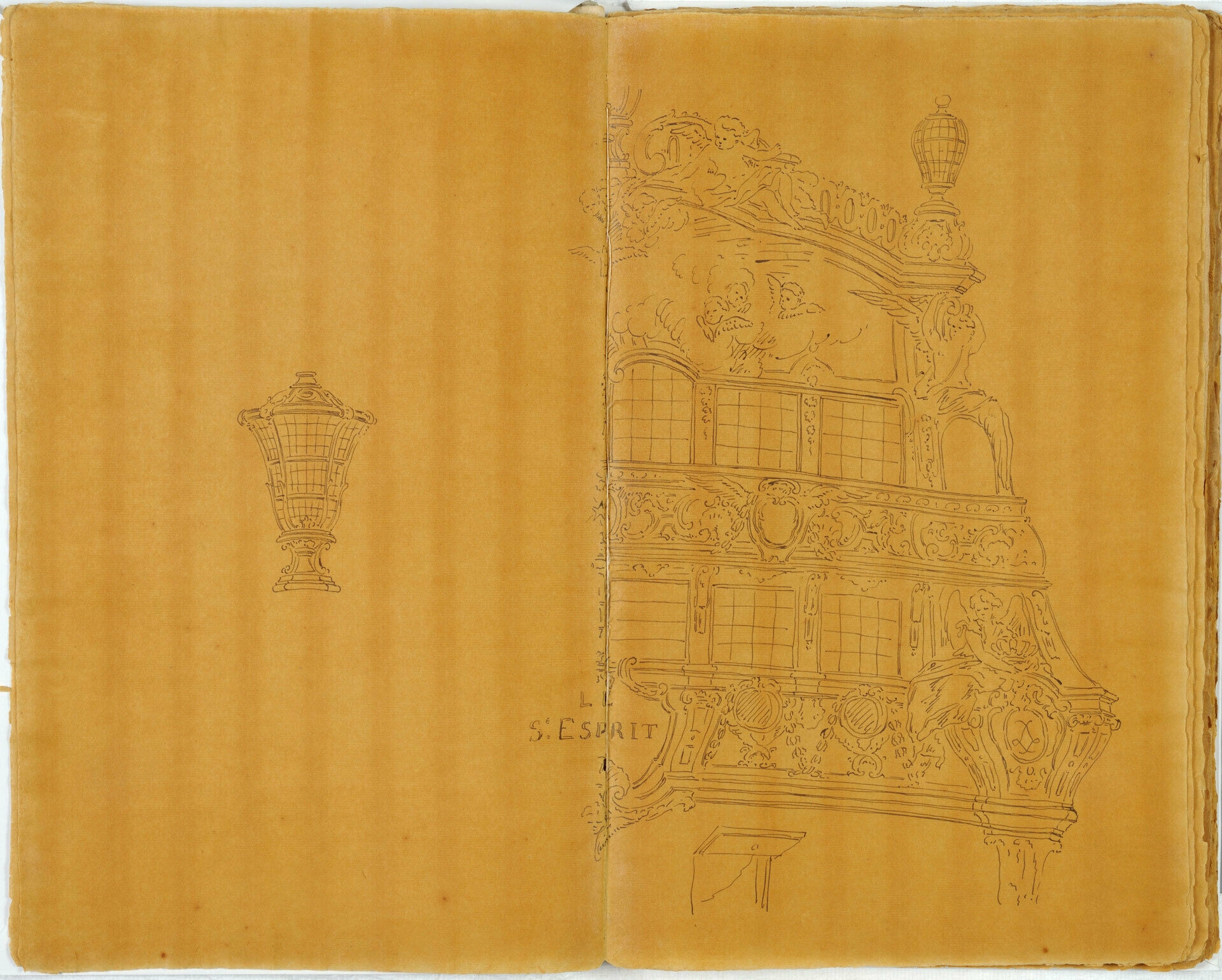
When Was Tracing Paper Invented
When Was Tracing Paper Invented
Tracing paper was first developed in the early 19th century. The invention is credited to a German inventor named Johann Friedrich Bottger, who created a translucent paper that allowed for easy tracing of images.
This innovative paper quickly gained popularity among artists and architects. Its ability to provide a clear outline made it an invaluable resource for sketching and drafting detailed designs.
Over the years, tracing paper has undergone several improvements. Modern versions are available in various weights and finishes, catering to different artistic needs and preferences.
Today, tracing paper is used not only in traditional art but also in digital design. Many graphic designers utilize it for overlays and mock-ups, showcasing its continued relevance in contemporary creative processes.
Tracing paper remains a beloved tool for artists, students, and professionals alike. Its rich history and ongoing evolution make it a fascinating subject for anyone interested in art and design.

Tracing Paper Rolled Tracing Paper Bumwad Tracing Paper Pads
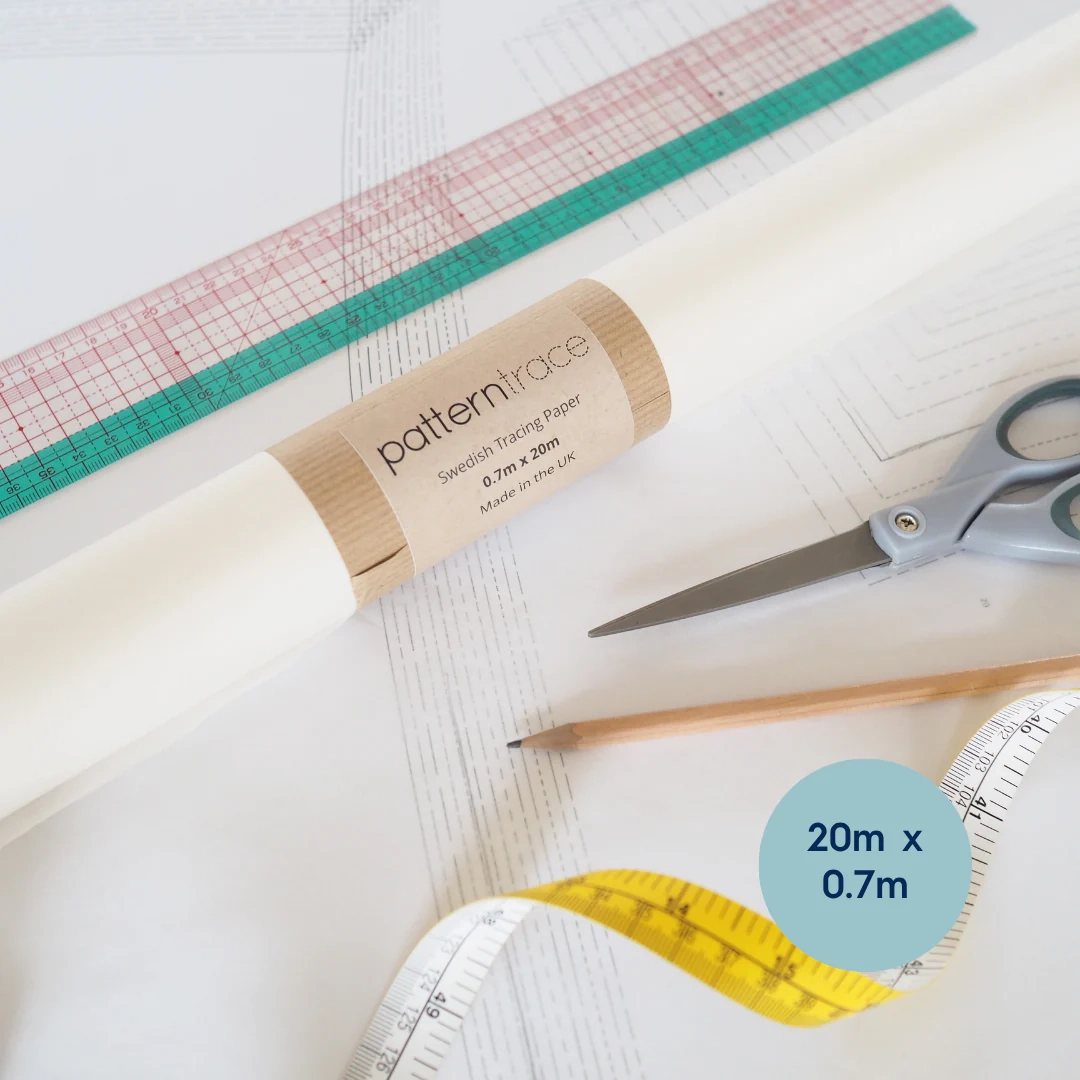
Patterntrace Swedish Tracing Paper 20m 70cm Narrow Roll
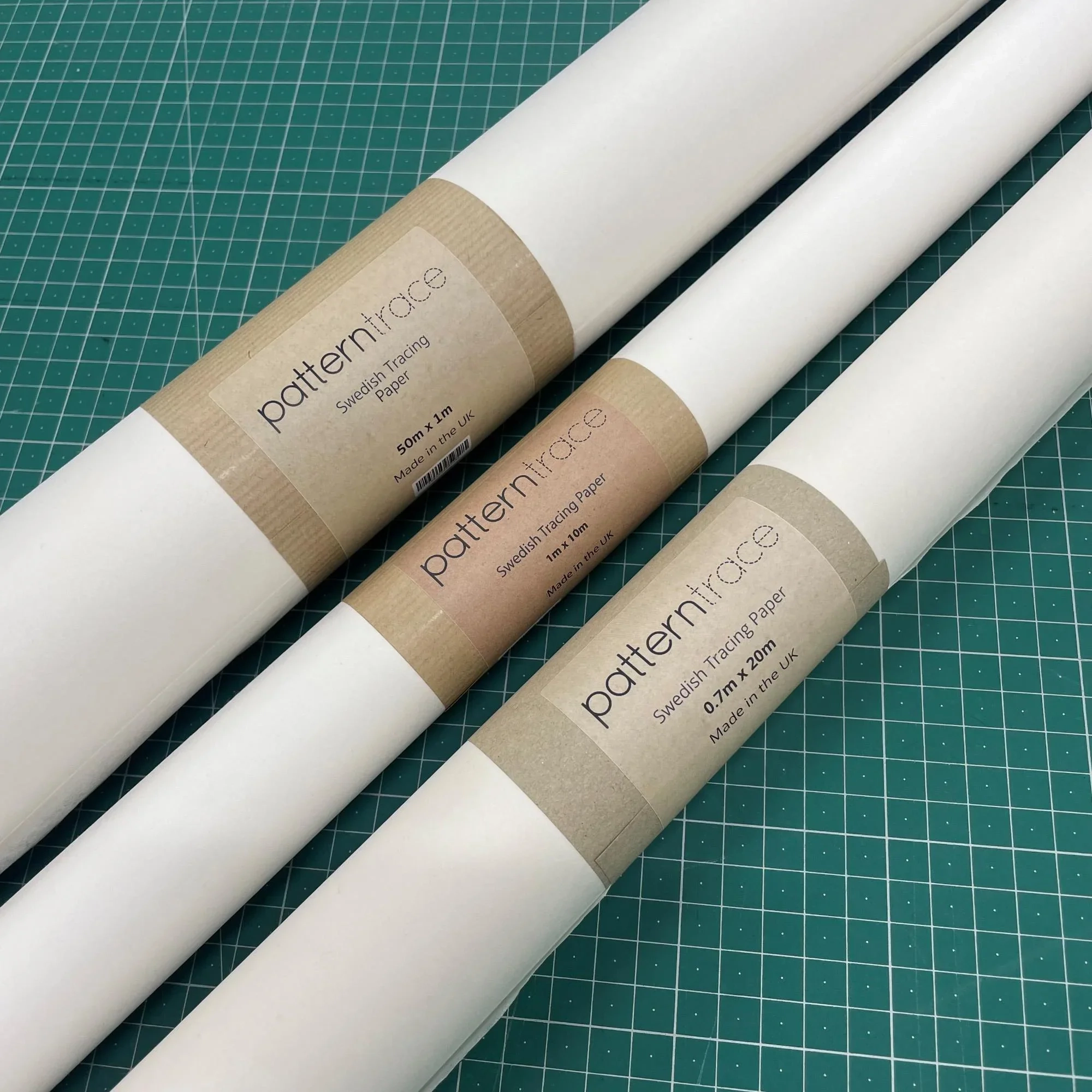
Patterntrace Swedish Tracing Paper Weft And Warp
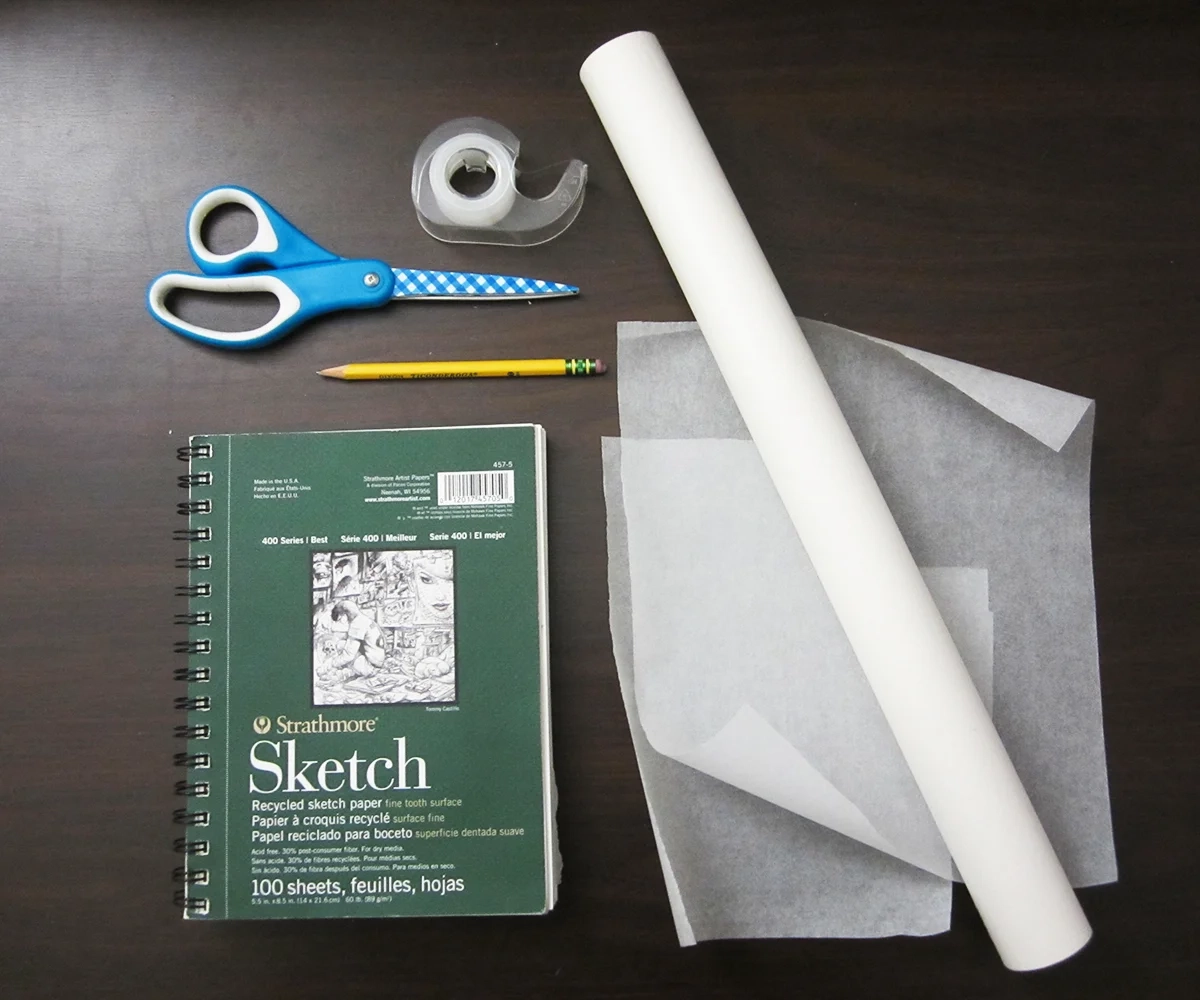
Sketching With Tracing Paper Simple Art Tips
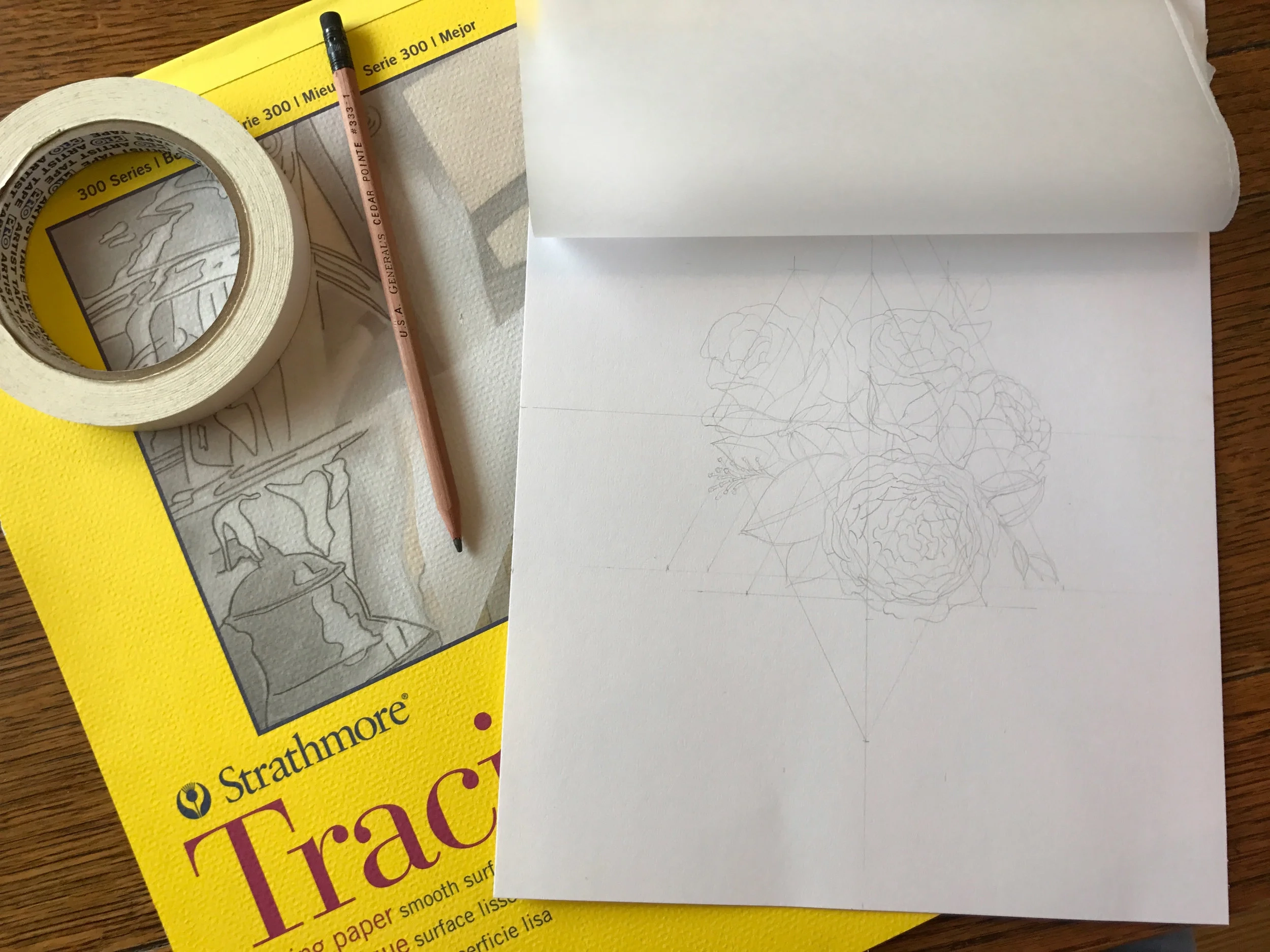
What Is Tracing Paper Used For In Art And Design Yescom Paper